
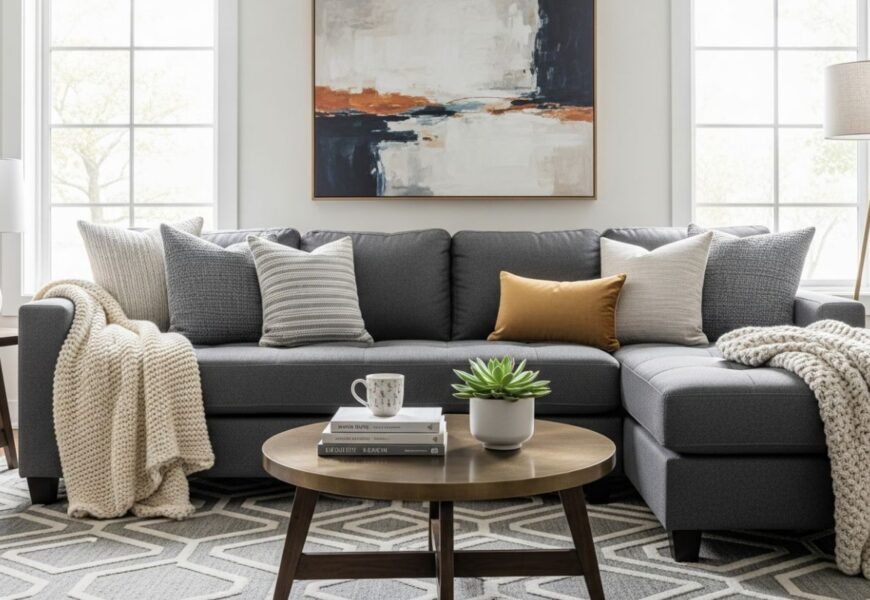
Walking into a home that feels both fresh and cozy, where every corner welcomes you to sit, relax, and just enjoy. That’s the magic of Contemporary Comfort Mipimprov, a way to make your home look modern without losing that warm, lived-in feeling. It’s about creating spaces where you can breathe, think, and spend time with loved ones comfortably. Every little detail, from the furniture to the lighting, works together to make your home a happy place.
It’s not about having the fanciest furniture or filling every space with stuff. Instead, it’s about choosing pieces, colors, and textures that make your rooms feel bright, calm, and comfortable. Soft rugs, gentle lighting, and cozy throws can turn even the simplest space into a peaceful retreat. By focusing on what truly makes you feel at home, you can make your rooms inviting for both family and friends.
With Contemporary Comfort Mipimprov, you’ll learn practical tips to create spaces that look amazing and feel like home. Step by step, it shows how to turn any room into a place where family, friends, and even you can truly feel at peace. You’ll discover ways to mix style and function so your home is beautiful but also easy to live in. By following simple strategies, every corner of your home can become a comfortable, modern haven. Let’s dive into it!
What Contemporary Comfort Mipimprov Means?

Contemporary comfort mipimprov is a smart and simple way to design a home that feels calm, warm, and easy to live in. It blends clean, modern style with comfort, so your space looks neat but never feels cold or empty. This style is perfect for people who want a peaceful home that works well for everyday life. Here’s the breakdown:
Contemporary Comfort (Modern, But Livable)
This design starts with open spaces, straight lines, and simple shapes. Rooms feel light and fresh because they use soft colors like beige, white, gray, and earthy tones. This modern living approach avoids clutter and keeps everything organized.
To add warmth, natural materials are used. Wood, stone, linen, and leather make the space feel cozy and real. Sunlight plays a big role too, helping rooms feel bright and welcoming. This mix is often called warm minimalism, where less stuff still feels comfortable and personal.
Mipimprov (Mindful Improvement + Improvisation)
Mipimprov is about improving your home little by little. Instead of changing everything at once, you focus on small updates that matter. This could be better lighting, new cabinet handles, or smart storage. This mindful home improvement method helps your space grow with you over time.
Every change is based on how you live. A person who loves cooking might improve the kitchen. A reader might create a quiet corner with a chair and lamp. The goal is to make the home fit your daily habits, not a picture from a magazine.
How It Differs From Similar Styles
The style sits perfectly between homes that feel too empty and homes that feel too crowded. It keeps things simple but still warm. Unlike trend-based decorating, it focuses on what lasts and what works. Good lighting, natural textures, and smart layout choices support functional design that feels good year after year. By removing extra items and keeping only what matters, the home stays clean, useful, and peaceful. The result is a space that feels thoughtful, comfortable, and truly yours.
Core Principles of Contemporary Comfort Mipimprov
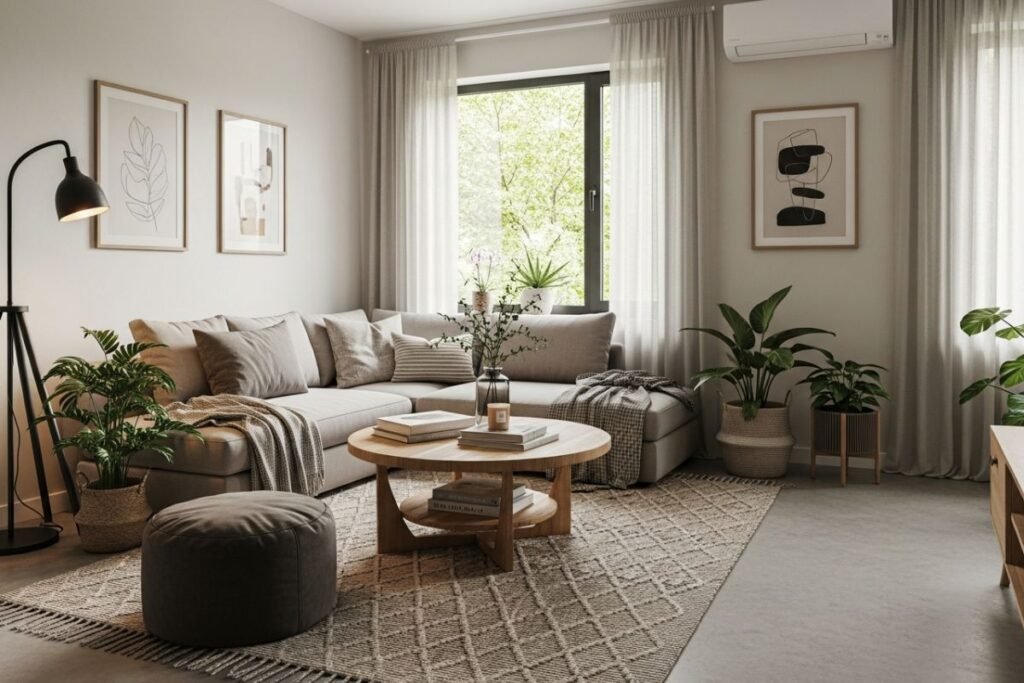
Clean but Not Sterile
A clean home should feel calm, not empty or cold. In contemporary comfort mipimprov, the goal is to remove visual mess while keeping personality. Choose meaningful décor pieces instead of filling every surface. A clear focal point and clutter-free corners help the mind relax and the room feel peaceful.
Comfort Through Texture (The Cozy Formula)
Texture makes a space feel warm and welcoming. Soft fabrics, natural fibers, and matte finishes add depth without overwhelming the room. Rugs, cushions, and throws work together to create a cozy interior design that feels lived-in. Mixing textures helps rooms feel comfortable and inviting every day.
Function-First Design (Comfort You Can Use Daily)
A beautiful home should also be easy to use. Smart storage, simple layouts, and easy-clean materials support daily habits like working, resting, and hosting guests. This functional home design reduces stress by keeping things organized. When a space works well, comfort comes naturally.
Calm Color Strategy (Warm Neutrals + Muted Accents)
Color has a strong effect on how a room feels. Warm neutrals like beige, soft white, and light taupe create a calm base. Gentle accent shades add interest without feeling loud, supporting a soothing color palette. Avoid cold gray tones to keep the space feeling soft and welcoming.
Lighting That Creates Mood
Good lighting changes everything. A mix of overhead lights, lamps, and accent lighting helps a room feel flexible and comfortable. Warm bulbs are best for relaxing areas, especially in the evening. Adding dimmers is an easy way to improve mood lighting at home without major changes.
Nature + Balance (Soft Modern Biophilic Touches)
Bringing nature indoors makes homes feel fresh and balanced. Plants, wood, stone, and sunlight help soften clean lines and modern furniture. These biophilic design elements support comfort and well-being. Natural shapes and textures make rooms feel calm, warm, and alive.
Step-by-Step: How to Create It (Actionable Blueprint)
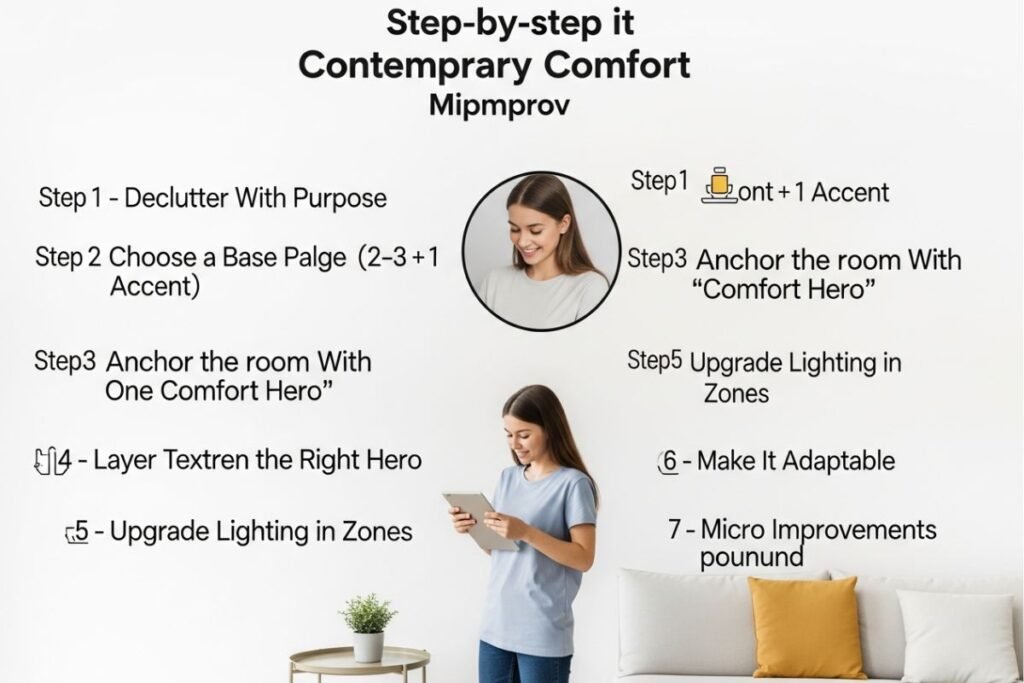
Step 1 — Declutter With Purpose
A peaceful home starts with less mess. Look at each item and decide if it is useful or makes you happy. Remove things that no longer serve you. Pay extra attention to tables, entrances, and bedside areas. Store everyday items neatly so the room feels open and relaxed.
Step 2 — Choose a Base Palette (2–3 Colors + 1 Accent)
Using a few colors helps a room feel calm and put together. Choose two or three soft shades for walls and big furniture. Add one bold color to bring life into the space. Repeat that bold shade in small details like pillows, art, or decor to keep the look balanced.
Step 3 — Anchor the Room With One “Comfort Hero”
Instead of buying everything at once, start with one main comfort piece. This could be a soft couch, a large rug, or a sturdy bed. Make sure it feels good to use, not just good to look at. This main item sets the mood for the whole room.
Step 4 — Layer Texture the Right Way
Textures make modern rooms feel warm and welcoming. Combine soft items like blankets and cushions with natural surfaces like wood or woven pieces. Balance smooth finishes with rough or cozy ones. Using a few textures adds comfort without making the space feel busy.
Step 5 — Upgrade Lighting in Zones
Good lighting makes a big difference in how a room feels. Use lamps instead of only ceiling lights to create a soft glow. Place lights near seating areas, Stylish Beds, and dark corners. Warm bulbs and adjustable lighting help switch from work time to relax time easily.
Step 6 — Make It Adaptable
A comfortable home should change with your needs. Choose furniture that can move or serve more than one purpose. Small tables, storage seats, and movable chairs make life easier. This helps the room stay useful for relaxing, working, or family time.
Step 7 — Micro-Improvements That Compound Over Time
Comfort grows through small habits done often. Tidy up surfaces once a week to keep things neat. Switch fabrics as seasons change to stay cozy year-round. Before adding something new, take one thing away to keep the space feeling fresh and calm.
Room by Room Contemporary Comfort Mipimprov Ideas
Creating a home that feels calm, stylish, and easy to live in is all about smart choices. These room-by-room tips focus on contemporary comfort mipimprov, helping you improve each space without stress or clutter.
Living Room Ideas
Your living room should feel welcoming the moment you walk in. Place sofas and chairs closer together so people can talk easily, instead of pushing furniture against the walls. A large area rug helps tie everything together and makes the space feel warm.
Use different types of lighting (ceiling lights, floor lamps, and table lamps) to create a soft and cozy glow. Add just one standout item, like a bold coffee table or a modern art piece, to show personality. Keep décor simple by styling tables with only three items for a clean and balanced look that reflects cozy contemporary interiors.
Bedroom Ideas
The bedroom should help you relax and sleep better. Choose soft, neutral colors like beige, grey, or ivory as your base. Then add comfort with textured fabrics such as linen or wool. Warm, dimmable lights create a peaceful mood, and wall-mounted lamps free up space on nightstands. Clear away clutter and keep only what you truly need nearby. A small indoor plant adds freshness and supports modern home comfort without effort.
Home Office Study Ideas
A good work space helps you stay focused. Start with a comfortable chair and a simple desk that doesn’t feel crowded. Keep the surface clear so your mind stays clear too. Hide cables using clips or sleeves, and use a task lamp for focused light. Neutral wall colors, a wooden desk, or a small plant can make the room feel calm and productive. This simple setup supports minimalist home improvement while still feeling warm.
Kitchen Ideas
A tidy kitchen makes cooking easier. Store small appliances inside cabinets to keep counters open for prep work. Use drawer dividers and pull-out shelves so everything has a place and is easy to reach. Changing cabinet handles to matte black or brass can refresh the look instantly. Under-cabinet lighting adds warmth and helps you see better while cooking; perfect for a smart room-by-room makeover.
Bathroom Ideas
Turn your bathroom into a calm retreat with soft, neutral colors. Add plush towels and a cozy bath mat to bring in comfort. Replace harsh lighting with dimmable lights or wall sconces for a gentle glow. Keep countertops neat by organizing toiletries in trays or drawers. A clean, simple setup makes the bathroom feel relaxing, fresh, and easy to use every day.
Practical Dos & Don’ts
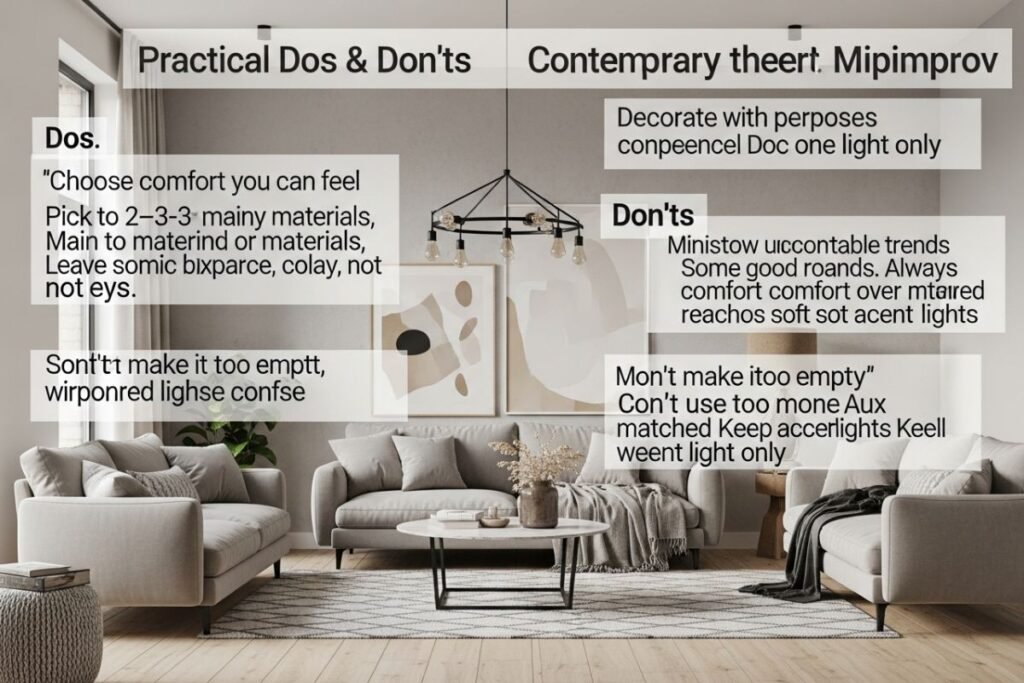
Dos
– Choose comfort you can feel
Pick soft, high-quality materials for sofas, beds, and rugs. Good lighting also matters—it should feel warm and relaxing, not harsh.
– Stick to 2–3 main colors or materials
Use one main color, a second supporting color, and one small accent. This keeps the room calm, balanced, and easy on the eyes.
– Decorate with purpose
Every item should have a job or add beauty. Leave some empty space so the room feels open and not crowded.
– Mix soft textures
Blend fabrics like cotton, wool, or velvet. This adds warmth and keeps the space from feeling cold or stiff.
Don’ts
– Don’t make it too empty
Minimal doesn’t mean bare. Add cozy touches so the room feels welcoming and lived-in.
– Don’t follow uncomfortable trends
Some styles look good but feel bad. Always choose comfort over trends that don’t feel relaxing.
– Don’t use too many patterns
Too many designs can feel messy. Keep patterns simple and well-matched for a clean look.
– Don’t depend on one light only
Use different lights (ceiling lights, lamps, and soft accent lights) to make the room feel warm and balanced.
Key Challenges and Solutions
- Limited rooms challenge daily ease, yet wall shelves, tall cupboards, and hanging hooks lift storage upward, paired with dual-use seating and bright shades, making small homes feel open and relaxing.
- Low funds can block stylish updates, but swapping lamps, cushions, and curtains refreshes atmosphere fast, while saving for one standout piece builds contemporary comfort mipimprov) without overspending stress at home.
- Clashing looks confuse modern living spaces, so calming neutrals on walls anchor balance, then repeating one accent color through décor, artwork, and fabrics connects tastes, boosting home comfort and interiors.
- Poor lighting reduces everyday comfort, but mixing ceiling lights with table lamps and natural daylight creates warmth, improves visibility, and supports modern comfort design, helping rooms feel welcoming, balanced, and easy to enjoy.
- Crowded décor overwhelms peaceful living, so removing extras, choosing meaningful pieces, and keeping clear walkways restores calm, supports contemporary interiors, and helps families enjoy simple, cozy, and stress-free spaces.
Conclusion
Creating a cozy, modern home with Contemporary Comfort Mipimprov doesn’t have to be complicated. By choosing the right furniture, using soft textures, and keeping your space uncluttered, you can make every room feel warm and inviting. Remember, it’s all about balance and mixing style with comfort & function. Start small, try out ideas that feel right for you, and watch your home transform into a place where you love to relax, live, and enjoy every moment. Cozy modern living is within your reach!
FAQs
It’s a design trend that blends modern style; like clean lines, minimalism, and neutral tones with comfort, functionality, and natural materials. The goal is to create welcoming, uncluttered spaces that fit today’s lifestyle.
Contemporary Comfort Mipimprov” creates living spaces rather than a formal, established design style. It combines elements of contemporary design (clean lines, neutral colors, modern aesthetics) with comfort-focused, practical strategies, essentially a way to “improve” modern living spaces for coziness and functionality.
Make contemporary interiors feel warmer by adding natural materials like wood, leather, and wool, and choosing a cozy color palette with shades like olive green, mocha, or cream. Use layered lighting with warm bulbs (2700K–3000K) in lamps and sconces instead of bright overhead lights. Add texture with thick rugs, throw blankets, and curtains, and include curved, organic furniture to soften sharp edges.
Neutrals: Whites, creams, soft grays, and taupes, these make spaces feel open and airy.
Earthy tones: Warm beiges, sandy browns, muted terracotta, add natural warmth and coziness.
Soft pastels: Pale blues, blush pinks, sage green, subtle pops of color without overwhelming the calm.
Accent colors: Deep navy, charcoal, or forest green, use sparingly in pillows, throws, or décor for depth.
Balancing minimalism with comfort means focusing on quality over quantity, using natural materials, and adding warm textures to make a cozy, uncluttered space. Instead of leaving rooms empty, choose functional, comfortable furniture, soft lighting, and organic touches like plants or wood accents.