
When you hear about athletes using oxygen chambers or specialized treatments for wound healing, you’re likely hearing about hyperbaric therapy. This medical treatment has been gaining attention for its wide range of applications, from helping divers recover from decompression sickness to accelerating healing in diabetic patients. Understanding what this therapy involves and how it actually works can help you determine whether it might be beneficial for your specific health needs.
Understanding the Basics of Hyperbaric Therapy
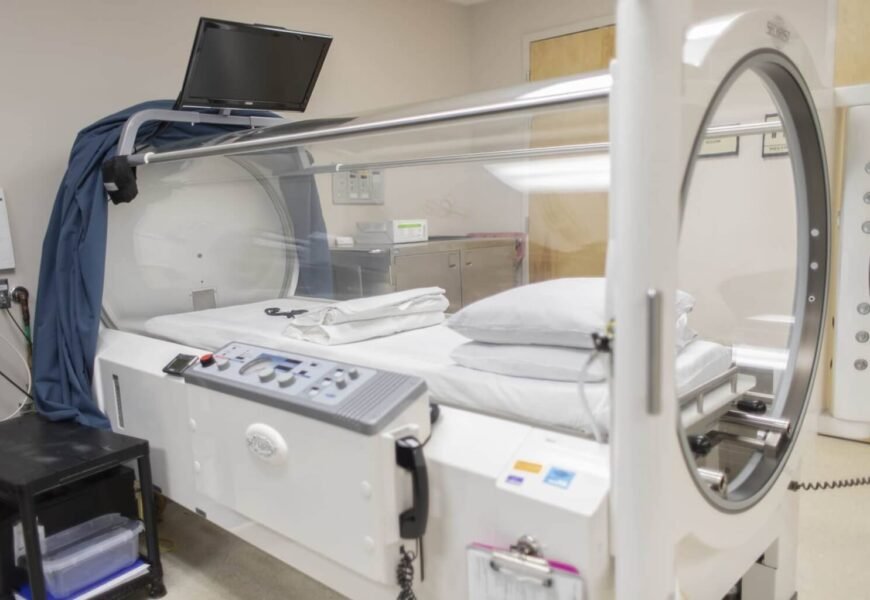
Hyperbaric therapy, also known as hyperbaric oxygen therapy or HBOT, is a medical treatment that involves breathing pure oxygen in a pressurized chamber. During a typical session, you’ll enter a specialized chamber where the air pressure is increased to levels that are typically two to three times higher than normal atmospheric pressure.
This combination of increased pressure and pure oxygen allows your lungs to gather significantly more oxygen than would be possible by breathing pure oxygen at normal air pressure. Your blood then carries this extra oxygen throughout your body, promoting healing and fighting certain types of infections.
The treatment typically lasts between 60 to 120 minutes, and the number of sessions required varies depending on the condition being treated. Some patients need only a few treatments, while others may require 20 to 40 sessions for optimal results.
The Science Behind How It Works
The healing power of hyperbaric therapy lies in its ability to dramatically increase the amount of oxygen dissolved in your blood plasma. Under normal conditions, oxygen is primarily carried by red blood cells. However, under hyperbaric conditions, the pressurized environment forces oxygen to dissolve directly into your blood plasma, cerebrospinal fluid, and other bodily fluids.
This oxygen-rich environment triggers several beneficial biological responses. It stimulates the release of growth factors and stem cells, which promote healing. It also helps reduce inflammation and swelling while simultaneously enhancing your body’s ability to fight infections.
The increased oxygen levels also support the formation of new blood vessels, a process called angiogenesis. This is particularly important for healing wounds that have been slow to respond to other treatments, as improved circulation brings more nutrients and immune cells to the affected area.
Medical Conditions Treated with Hyperbaric Therapy
The FDA has approved hyperbaric oxygen therapy for treating several specific medical conditions. These include decompression sickness, carbon monoxide poisoning, crush injuries, and certain types of infections where tissues are dying due to lack of oxygen.
Chronic wounds, particularly those associated with diabetes, are among the most common reasons patients seek this treatment. Diabetic foot ulcers, radiation injuries, and burns often respond well to hyperbaric therapy when conventional treatments have been insufficient.
The therapy is also used to treat sudden hearing loss, certain types of anemia, and air or gas embolisms. Some patients with compromised skin grafts or flaps may benefit from the enhanced healing environment that hyperbaric conditions provide.
What to Expect During Treatment
If you’re considering looking for hyperbaric treatment near me, it’s helpful to know what a typical session involves. Before beginning treatment, you’ll usually need to change into comfortable, cotton clothing to reduce the risk of static electricity in the oxygen-rich environment.
Once inside the chamber, you may feel a fullness in your ears similar to what you experience during airplane takeoffs and landings. This is normal and can be relieved by yawning, swallowing, or other techniques your healthcare provider will teach you.
During the treatment, you can relax, sleep, or even watch television in some facilities. Most patients find the experience comfortable and use the time to rest. After the session, you may feel slightly lightheaded or tired, but these effects typically pass quickly.
Potential Risks and Considerations
While hyperbaric therapy is generally safe, it does carry some risks. The most common side effect is temporary changes in vision, which typically resolve within a few weeks of completing treatment. Some patients experience ear or sinus discomfort due to the pressure changes.
More serious but rare complications can include oxygen toxicity and lung problems. Your healthcare provider will carefully screen you before treatment to minimize these risks. People with certain lung conditions or those who have recently had ear surgery may not be suitable candidates.
Making an Informed Decision
Hyperbaric therapy represents a valuable tool in modern medicine’s arsenal for treating specific conditions that benefit from increased oxygen delivery. While it’s not a miracle cure for every ailment, it has proven effectiveness for approved medical conditions and continues to be studied for potential new applications.
If you’re considering this treatment, consult with your healthcare provider to discuss whether it’s appropriate for your situation. They can evaluate your specific condition, explain the potential benefits and risks, and help you understand what to expect from the treatment process. With proper medical guidance, hyperbaric therapy can be an effective component of a comprehensive treatment plan.