
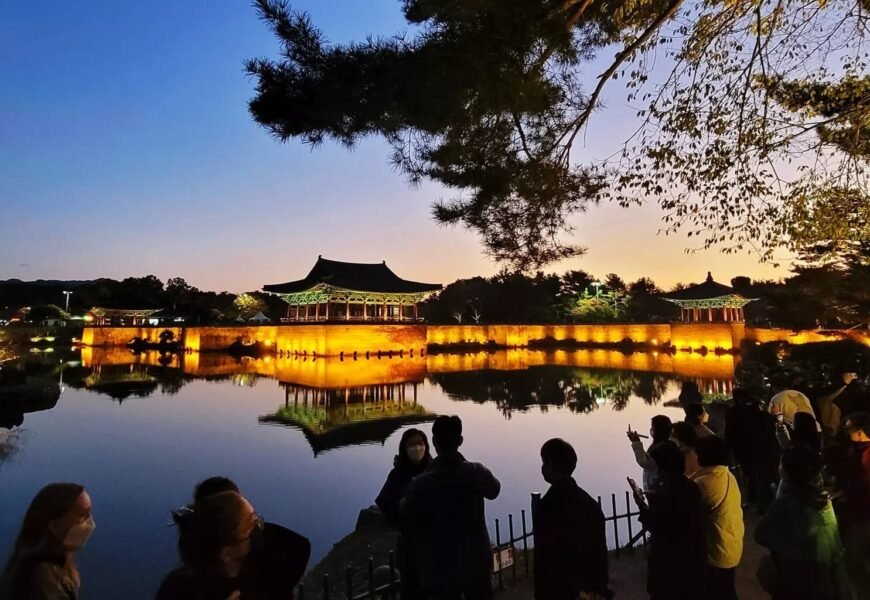
Nestled in the southeastern corner of South Korea, Gyeongju stands as a living museum without walls, where ancient history breathes through every street corner and hillside. Once the capital of the mighty Silla Kingdom for nearly a thousand years, this UNESCO World Heritage city offers travelers an unparalleled journey through time. Whether you’re a history enthusiast, cultural explorer, or simply seeking an authentic Korean experience, Gyeongju promises memories that will last a lifetime.
Getting to Gyeongju and Around the City
Reaching Gyeongju is remarkably straightforward from major Korean cities. The KTX high-speed train from Seoul takes approximately two hours to Singyeongju Station, while buses run regularly from Busan in just under an hour. Once you arrive, the city’s compact nature makes it easy to explore, though having a plan helps maximize your time.
The local bus system efficiently connects major attractions, but many visitors prefer renting bicycles to truly embrace the city’s leisurely pace. The flat terrain and dedicated bike paths make cycling ideal for covering ground while soaking in the scenery. Taxis are abundant and affordable for those preferring door-to-door convenience, especially when traveling with luggage or visiting sites on the city’s outskirts.
Must-See Historical Treasures
Bulguksa Temple represents the pinnacle of Silla Buddhist art and architecture. This eighth-century masterpiece showcases stunning stone pagodas, elegant bridges, and halls that have survived centuries of turbulent history. Arrive early in the morning to experience the temple in peaceful solitude before tour groups descend.
Just a short hike from Bulguksa lies Seokguram Grotto, an architectural marvel housing a magnificent stone Buddha gazing serenely toward the East Sea. The scientific precision of its construction, designed to prevent moisture damage, demonstrates the advanced engineering knowledge of ancient Silla craftsmen. Note that photography inside the grotto is prohibited to preserve this precious artifact.
Tumuli Park offers a completely different historical experience with its mysterious grass-covered royal tombs dotting the landscape like gentle green hills. Walking among these ancient burial mounds, some reaching 20 meters in height, creates an almost otherworldly atmosphere. The Cheonmachong tomb is open to visitors, revealing the treasures and construction methods used to honor Silla royalty.
Where to Stay for Every Budget
Finding the perfect base for your Gyeongju adventure depends largely on your preferences and budget. The downtown area near Daereungwon offers proximity to major sites and dining options, while the Bomun Lake Resort area provides modern amenities in a scenic setting. For those seeking authentic experiences, traditional hanok guesthouses scattered throughout the city offer comfortable Gyeongju Accommodations that connect you directly with Korean architectural heritage and hospitality.
Budget travelers will find excellent hostels and guesthouses near the express bus terminal, while mid-range hotels cluster around the city center. The Bomun Tourist Complex caters to those wanting resort-style comfort with lakeside hotels featuring spas, golf courses, and family-friendly facilities.
Savoring Gyeongju’s Culinary Delights
Gyeongju’s food scene reflects its historical significance with unique local specialties you won’t find elsewhere. Ssambap, vegetables served with rice and various side dishes for wrapping, originated here and remains a lunchtime favorite. The city’s version features an impressive array of seasonal vegetables and homemade sauces.
Don’t miss hwangnam bread, Gyeongju’s iconic pastry filled with sweet red bean paste. Bakeries throughout the city sell these individually wrapped treats, perfect for snacking while exploring or bringing home as gifts. For dinner, seek out restaurants serving Gyeongju hanjeongsik, elaborate traditional Korean set meals that showcase the region’s culinary heritage through dozens of small dishes.
Timing Your Visit for the Best Experience
Spring and autumn reign as the ideal seasons for visiting Gyeongju. Cherry blossoms transform the city into a pink wonderland each April, while October and November bring spectacular fall foliage that frames historical sites in brilliant reds and golds. These shoulder seasons also offer comfortable temperatures perfect for outdoor exploration.
Summer brings heat and humidity along with monsoon rains, though this means fewer crowds at popular attractions. Winter can be quite cold, but the city takes on a serene beauty under occasional snow, and significantly lower accommodation prices make it attractive for budget-conscious travelers.
Planning Your Perfect Itinerary
A minimum three-day visit allows you to experience Gyeongju’s highlights without rushing. Dedicate your first day to Bulguksa Temple and Seokguram Grotto, your second to exploring downtown historical sites including Tumuli Park and Cheomseongdae Observatory, and your third to Bomun Lake and any sites you want to revisit.
Gyeongju rewards those who wander slowly, allowing history to unfold naturally rather than checking boxes on a frantic itinerary. This ancient capital invites you to step back in time, and the memories you create here will enrich your understanding of Korea’s magnificent cultural legacy for years to come.