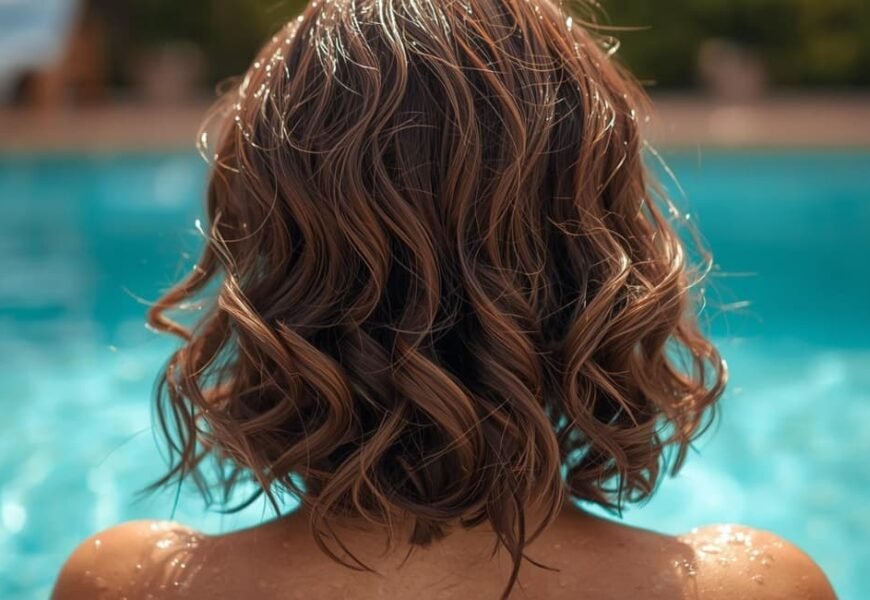
Mostly swimmers would be shocked to hear that one dunk in the pool can remove 40 percent of your hair’s natural moisture barrier, as reported by the American Academy of Dermatology. And it’s not only chlorine that can result in trouble; copper and iron from pool water are responsible for the dreaded green hair after swimming, Associated Press reported. “When hair becomes saturated with these particles, the cuticle is lifted and becomes roughened, which is why wavy hair will get frizzier and lose curl definition after swimming,” says board-certified dermatologist Dr. Hadley King. The result? A headful of waves that morph from beachy and bouncy to brittle and unmanageable in a few minutes.
The good news? You can save some cash on the expense of exactly how to preserve those waves. Hair professionals advise a quick rinse, followed by neutralizing, cleansing, and conditioning directly after swimming. A vitamin C rinse can cancel chlorine damage in under a minute, and rotating between a clarifying shampoo and a chelating shampoo (once a week) helps nix product buildup as well as metal deposits from hard water. Combine with a hydrating conditioner and leave-in product for wavy hair to maintain waves that are soft, frizz-free and full of definition without much effort, even after swimming daily.
What Is the Best Way to Take Care of Wavy Hair After Swimming?
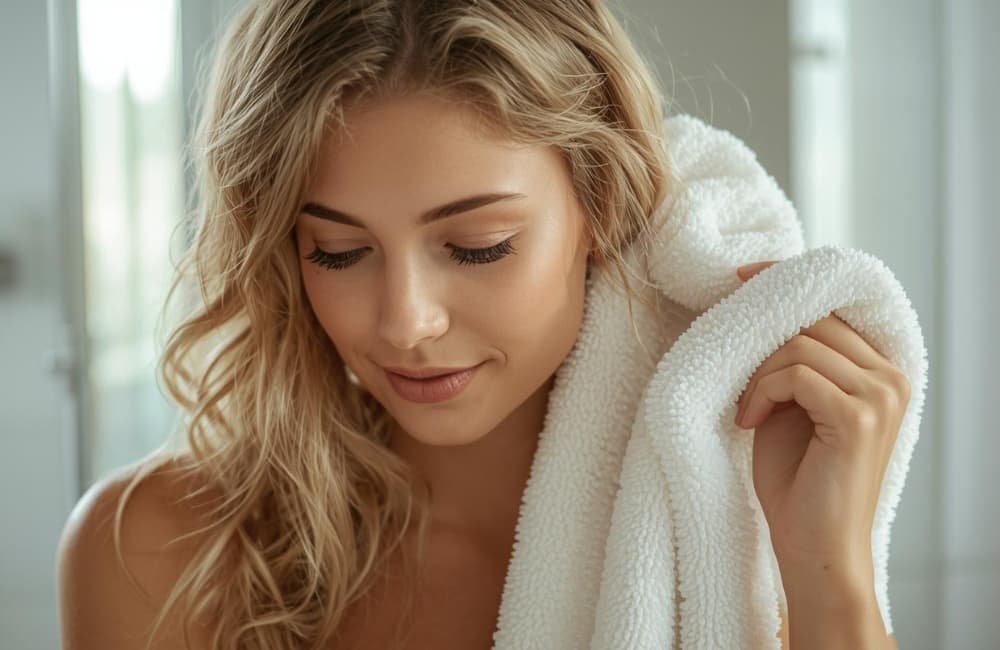
The best post-swim routine, in other words, is about as basic as it gets and almost hilariously effective. Rinse your hair with 30-60 seconds of cool water, even after swimming. This will prevent the chlorine from turning blonde hair green and from stripping your locks and if you wear hair extensions, it helps prevent them from drying out or tangling. Detangle your hair gently for better recovery. A vitamin C neutralizer might be applied to precede the chlorine and shield against it. If you have greenish discoloration, a squeaky feeling or hard water, wash with a clarifying shampoo to remove product buildup or switch to a chelating shampoo. Follow up with a moisturizing conditioner, blot dry with either a microfiber towel or cotton T-shirt, and apply leave-in conditioner, curl cream or mousse to keep the definition of your waves fresh and prevent frizz. This step is especially helpful for maintaining smooth, natural-looking hair extensions.
How Does Chlorine and Pool Water Affect Wavy Hair?
Chlorine removes the natural oils (sebum) from our scalp and lifts the cuticle of hair to make strands more porous, which is why wavy hair can feel so rough, dry and frizzy post-swim. It’s not just the chemicals in chlorinated water that are harmful; hair repeatedly soaked in chlorinated pools can be up to 40% more porous, AAD reports, a condition that quickly depletes its moisture and makes it prone to breakage but it’s not just chlorine for hair only. The copper and iron in pool water attach themselves to the hair shaft, giving it a flattened appearance as well as that not-so-fetching green hue. The best at removing these metal deposits is a chelating shampoo, says Dr. Hadley King and it’s something clarifying shampoos have more difficulty doing. “Shampoo that contains EDTA (ethylene diamine tetra-acetic acid) or phytic acid will work to break down and remove copper build-up,” Dr. King said. Clarifying vs. Chelating Shampoo – Which One Do You Need?
Clarifying vs. Chelating Shampoo: Which One Do You Need?
| Feature | Clarifying Shampoo | Chelating Shampoo |
|---|---|---|
| Primary Purpose | Removes product buildup, excess oil, and residue from styling products. | Binds and removes metals like copper, iron, and calcium from hair. |
| Best For | Swimmers who use gels, creams, or mousse regularly and need a “reset.” | Swimmers dealing with green tint, dullness, or living in hard-water areas. |
| Frequency | Weekly or biweekly to avoid over-drying waves. | Every 1–2 weeks, or only when hair looks green, feels “squeaky,” or lacks shine. |
| Key Ingredients | Gentle surfactants (sulfate or sulfate-free options). | Chelating agents like EDTA, EDDS, phytic acid, or sodium gluconate. |
| Result | Fresh, lightweight hair free from product film. | Restored shine, neutralized metals, and prevented discoloration. |
| Caution | Overuse can cause dryness — always follow with a conditioner. | Can be more stripping — always follow with a deep conditioner or mask. |
Step-by-Step Post-Swim Routine for Wavy Hair
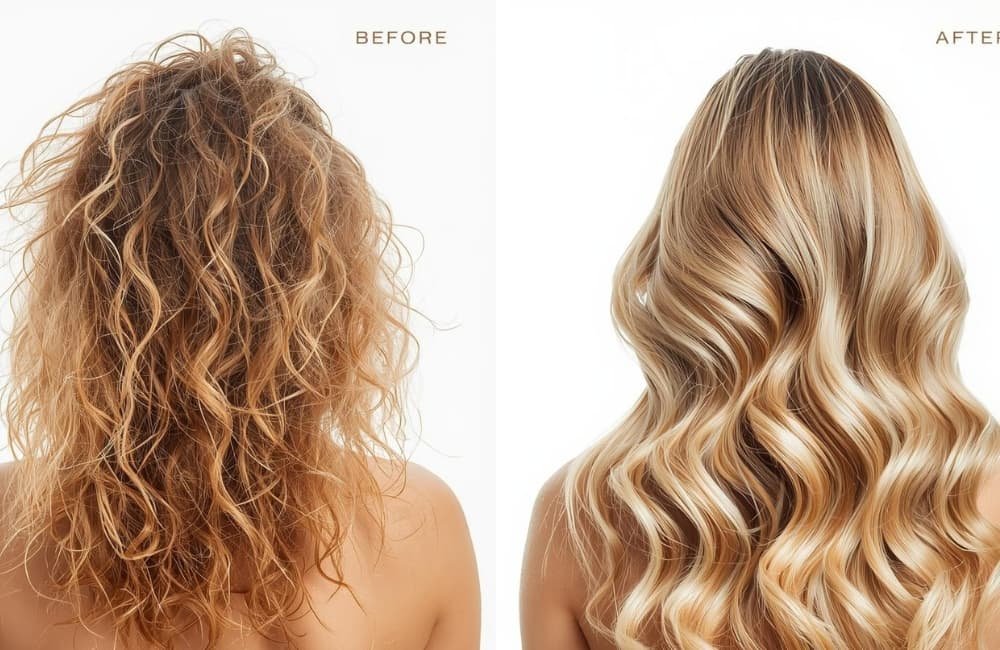
Rinse Thoroughly
Start by rinsing your hair in cool, clean water for 30 to 60 seconds. This simple solution rinses away chlorine, copper and other pool chemicals to deter them from binding with the hair shaft; otherwise, it can rapidly deplete the hair’s natural moisture barrier. Before showering, a solid pre-cleanse rinse can help minimize future dryness, frizz, and discoloration in your hair.
Neutralize Chlorine
After spending time in the pool, spritz a vitamin C rinse (or simply neutralize chlorine instantly) to protect your hair from damage. Leave it in for about a minute to allow the conditioner to penetrate, then rinse again. This will seal your hair cuticle and prevent chlorine from damaging your waves, turning them into something resembling straw.
Cleanse with the Right Shampoo
Use the right shampoo for your hair type. Cleanse with a clarifying shampoo to remove product buildup, oil, and residue or opt for a chelating shampoo if you’ve got squeaky hair, green tones or are fighting minerals from hard water, such as calcium and iron. This process allows the freshness of color to return, while also removing harmful buildup and restoring natural shine.
Condition Deeply
Taletwister said it perfectly: use a moisturizing conditioner, one that is rich in humectants and moisturizing oils. Massage mid-length to ends and leave on for 3–5 minutes, allowing the product to soak into the hair shaft. It will also assist in minimising frizz, rehydrating your waves and retaining curl definition.
Detangle Gently
Gently run a wide-tooth comb or your fingers through your hair while the conditioner is still in it to detangle it softly. This prevents breakage, preserves the natural wave and ensures proper distribution of conditioner for soft, more manageable hair.
Dry and Style
Dry by gently patting (never rubbing) with a microfiber towel or a soft cotton T-shirt to soak up any excess water, minimizing frizz. Mist with leave-in conditioner and curl cream, scrunch to define waves. Finish by air-drying or diffusing on low heat to maintain your curl pattern and lessen the blow of heat damage.
Wave-Specific After-Swim Care Tips
Not all wavy hair behaves the same after you rinse and towel-dry post-swim, so using a custom routine that’s designed for your type of wave can really help. Here’s how to maintain 2A, 2B and 2C waves healthy, defined and frizz-free even after soaking in chlorine and pool chemicals.
2A Waves
2A type waves are fragile and have a loose pattern that is easily pulled down by weight so moisturization is a must. Choose a silicone-free conditioner and apply it from mid-length to the ends to prevent flat, greasy roots. Limit your use of heavy styling products a touch of leave-in conditioner or water-based curl activator will do just fine to enhance your natural curls. To add a little more lift, flip your head upside down while scrunching, and then diffuse using the low heat setting to keep roots full and free of frizz.
2B Waves
2B waves typically follow an S pattern, and they can turn frizzy or undefined postswim. To keep your waves from becoming weighted down or your hair too parched, alternate between clarifying shampoo (for build-up) and chelating shampoo (it removes copper and mineral deposits). Use a lightweight curl cream with a bit of hold, followed by a soft-gel to ensure curls pop and definition and frizz are locked in. Wrap your hair in a microfiber towel for 5 to 10 minutes after applying your product to help the waves set and clump together.
2C Waves
2C waves are more like curls and require weighty moisture and hold to stay defined. Deep-conditioning mask treatments once weekly for damaged need hydration back in and elasticity. Once you’re out of the water, scrunch in a leave-in conditioner and allow it to sink for 5-10 minutes so that your curl clusters together. Follow up with a curl cream or gel to set the pattern and prevent it from getting puffier as your hair dries, all while preserving that smooth frizz-free definition. Gently diffuse or air dry to keep your curls looking perfect.
Pre-Swim Protection for Wavy Hair
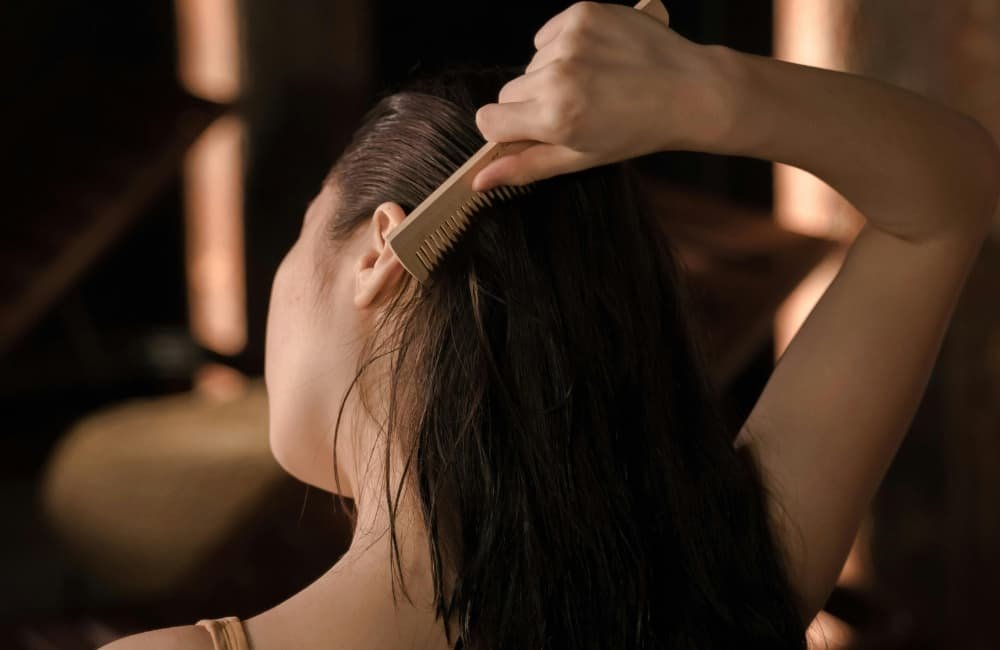
Let your waves put up a fight before ever hitting the water. A couple of quick steps before swimming can significantly prevent chlorine damage, dryness and post-swim frizz while keeping your hair’s natural moisture barrier and curl definition intact.
- Rinse with Fresh Water: Soak your hair in the shower before swimming to make it absorb less chlorine, copper and other pool chemicals. Pre-wetting hair serves as a sponge that’s already saturated, which makes it more difficult for harsh water to penetrate.
- Apply a Barrier Product: Layer on a leave-in conditioner or lightweight hair oil that will encase your strands with a protective barrier around the cuticle. This traps in moisture and reduces the amount of chemicals absorbed, leaving hair waves softer after swimming.
- Wear a Swim Cap: Choose a tight-fitting silicone swim cap for enhanced protection while swimming. Silicone is gentler on hair than latex and creates a better seal to protect against chlorine.
Weekly Hair Repair Routine for Swimmers
No matter how diligent you are about post-swim hair care, chlorine and hard water can start to take a toll on wavy hair over time. A consistent weekly repair regimen can undo the damage, replenish hydration, and maintain waves in their optimal state.
Deep-Condition Once a Week
Pamper your hair with a super-hydrating deep conditioning mask one or two times per week. Opt for formulas that feature humectants such as aloe vera, glycerin, or panthenol to help replace lost moisture while also containing strengthening proteins like hydrolyzed keratin or silk protein hair mask to repair chlorine-weakened strands. For optimal results, Apply protein hair mask on for 10-20 minutes and use a shower cap or gentle heat to allow the ingredients to penetrate.
Use a Chelating Shampoo When Needed
If your hair feels rough, squeaky or looks a bit greenish or brassy, swap in a chelating shampoo for your weekly wash at the very least. Chelating shampoos have ingredients like EDTA, phytic acid or sodium gluconate that cling to and take away copper, iron, and calcium buildup from pool water and hard water. This final step restores all the shine and softness to your hair, while also ensuring your waves remain light and bouncy.
Install a Shower Filter
For swimmers with access to hard water, one of the best long-term solutions is purchasing a shower filter. A great filter also helps keep away mineral deposits that lead to dryness, breakage, and a lack of shine in your hair, making your hair smoother, more manageable, and easier to style between trips to the pool.
Common Post-Swim Hair Problems and Solutions
Swimmers’ hair might be difficult to avoid, even when swimmers pay constant attention. Here, we troubleshoot some of the most common post-swim issues and help you get your waves back to tip-top condition.
Green or Discolored Hair
Treat your hair to a deep-conditioning mask at least once a week for optimal results. Look for formulas with humectants like aloe vera, glycerin or panthenol that can help the hair absorb the moisture you’ve been missing out on, and strengthening proteins such as hydrolyzed keratin or silk protein to repair chlorine-battered strands. Leave on for 10-20 minutes (and up to twice as long if needed) apply a shower cap or mild heat to encourage deeper penetration of the ingredients.
Flat or Stringy Waves
If your hair feels testy to the touch, squeaky when wet or even listless and a tinge of green-gray or brassy alert you need to find space in your weekly wash routine for a chelating shampoo, which can essentially de-gunk copper, iron and calcium buildup from pool water and hard water with ingredients like EDTA (tetrasodium EDTA is usually the case), phytic acid or sodium gluconate. This leaves it shiny, soft, and keeps your waves light and bouncy.
Dry, Crunchy Ends
A shower filter is one of the best long-term hair treatments for swimmers and will also work wonders if you live in an area with hard water. An effective one minimizes dehydrating, damage-causing corrosive mineral deposits that can otherwise leave hair anything but silky smooth and workable, not to mention downright stylish after the dip.
Best Products for Wavy Hair After Swimming
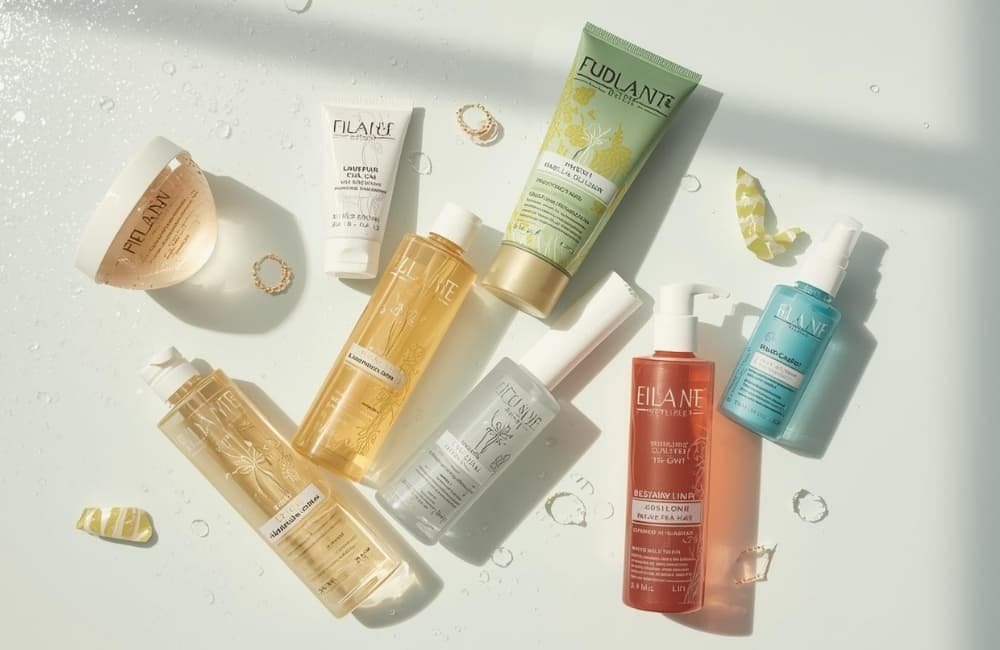
- Vitamin C Sprays: Neutralize chlorine quickly.
- Clarifying Shampoos: Opt for sulfate-free formulas that use gentle surfactants.
- Chelating Shampoos: Contain EDTA or phytic acid for metal removal.
- Leave-In Conditioners: Lock in moisture by applying hair masks and reduce frizz.
- Microfiber Towels & Wide-Tooth Combs: Minimize breakage and frizz.
FAQs
Cleanse gently, use a moisture-rich conditioner, and style with a leave-in cream or gel to maintain definition and reduce frizz.
Blot with a microfiber towel or cotton T-shirt, scrunch to create waves, and air-dry or diffuse on a low heat setting.
Chlorine and pool chemicals can lift the cuticle, causing dryness and frizz. Rinse and rehydrate immediately to smooth it back down.
Rinse before and after swimming. Use a leave-in conditioner as a barrier and alternate co-washing and clarifying to avoid over-drying.
Yes, at least rinse thoroughly and condition to remove chlorine and prevent long-term damage.
Pre-wet your hair, use a leave-in or light oil before swimming, and apply curl cream and gel after to lock in moisture.
Conclusion
Taking care of wavy hair after swimming doesn’t have to be a hassle. It doesn’t even need to be right. Begin with a deep rinse to flush out chlorine; follow up by neutralizing the water with a vitamin C treatment. If the buildup and mineral deposits are excessive, alternate between clarifying/chelating shampoos. Don’t forget to finish with a hydrating conditioner and leave-in product that will keep your hair hydrated, frizz-free, and shiny. Keep your 2A, 2B, or 2C waves looking soft, healthy and defined all summer long so you can take advantage of every pool day without putting your hair at risk.