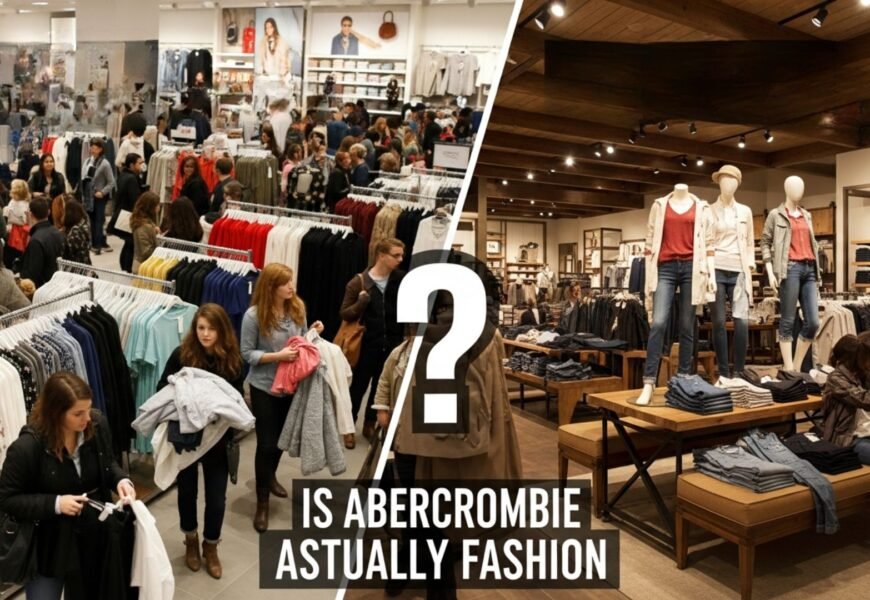
Abercrombie is no ordinary fast-fashion player. It sits in the spot between trend-driven style and timeless wardrobe essentials. Abercrombie & Fitch is back, taking over TikTok scrolls, Instagram reels, and YouTube hauls while rising quietly from a slumber in malls. Is Abercrombie just a fast-fashion brand after all? It doesn’t generate ultra-cheap, Short-lived trends like Zara, H&M or Shein.
Instead, it positions itself as a premium high-street label, focusing on a slow production process and using higher-quality materials to create styles designed to endure. It’s not completely free of fast fashion habits. It employs offshore manufacturers and introduces seasonal product drops, effectively blurring the line between trend-driven retail and high-end, eclectic fashion. Here’s where the story begins.
Key Takeaways
- Zara can design and deliver new styles in about 2–3 weeks, compared to 6–12 weeks at Abercrombie & Fitch. (McKinsey, Business Insider)
- Shein uploads around 6,000–7,000 new clothing items daily, highlighting the extreme pace of fast fashion. (Reuters, Business of Fashion)
- The fashion industry produced around 132 million tonnes of fibre in 2024, up from 125 million tonnes in 2023. (Textile Exchange)
- Polyester accounts for approximately 59% of all fibers used in clothing worldwide. (Textile Exchange)
- The world discards approximately 92 million tonnes of textile waste every year. (Ellen MacArthur Foundation)
- The average lifespan of clothing has dropped by 36% between 2000 and 2015. (Ellen MacArthur Foundation)
- The fashion industry accounts for approximately 2–8% of global greenhouse gas emissions. (UNEP, World Bank)
- Fashion uses approximately 215 trillion litres of water per year. (UN World Water Development Report)
Abercrombie & Fitch: A Brand That Changed Instead of Faded

Abercrombie began as an outdoor gear store in 1892, before evolving into a youth lifestyle brand in the 2000s. At its best, it was all about logos, hype and exclusivity. After falling off the map, the company quietly rebranded around 2017 with the new look coming with less splattering of logos, better fits, inclusive sizing, softer color palettes and higher quality fabrics. It includes TikTok-famous basics such as their Curve Love jeans and tailored trousers.
This rebrand redirected Abercrombie from trend-chasing to classic, wearable clothes. This change steered Abercrombie away from trend-chasing and toward classic, wearable clothes. People aren’t just wondering, ‘Is Abercrombie Fast Fashion?’ These days, they are also asking whether brands like Aritzia is Aritzia fast fashion? The question comes as part of a broader interest in the quality and longevity of these pieces, and in many cases, whether they belong in the category of fast fashion at all.
Does Abercrombie Fit the Fast Fashion Model?
It’s necessary to examine its user base and then weigh that success against the rapid pillars of fast-fashion success.
1. Speed of Production
A fast fashion brand like Zara or Shein can design, manufacture , and release a new product in just two to four weeks. They need constant product launches simply to keep people buying new, fashionable items. Abercrombie works on a slower, more measured timetable. Its collections typically go from concept to store in 6–12 weeks. Instead of driving thoughts of “weekly drops,” it introduces strictly limited launches and evergreen restocks for only established bestsellers. This more moderate cycle marks the transition from volume to quality and fit.
2. Product Lifespan
Abercrombie takes a different approach. Its denim, outerwear, tailored pants and knitwear are built to take wear after wear for multiple seasons, not just a season. Consumers frequently claim to have worn an Abercrombie pair of jeans or a coat for years, demonstrating that the brand prioritizes design longevity over disposability. This focus on longevity is what differentiates it from fast fashion as we know it.
3. Price and Materials
The most obvious differences are pricing and the choice of fabrics. Fast fashion remains affordable because it’s made with inexpensive materials, such as polyester, and produced in high volumes. Abercrombie falls into a higher price point – jeans are priced $70 to $120, dresses $80 to 150 and coats at $150-$250. On the more expensive side, these prices indicate the use of higher-quality materials, such as structured denim, cottons, linens, and merino wool blends. The stitching, lining and weight of fabric are another factor that divides it from cheap fast fashion high street stores.
4. Trend Mentality
Old-school fast fashion has thrived by replicating runway, celebrity, or TikTok trends as quickly as possible. Instead of immediately chasing every viral trend, it waits until there is real staying power in a trend and then creates its own edit, destined to outlive the life of social media. It adds up to something that can best be referred to as “slow-trend adoption”. It manifests in pieces like crossover leggings and satin slip dresses, which only became tried-and-true wardrobe staples after they were established as such. Abercrombie clothes are made to last, not trend-dependent.
The Part Nobody Talks About: Abercrombie’s Supply Chain Strategy
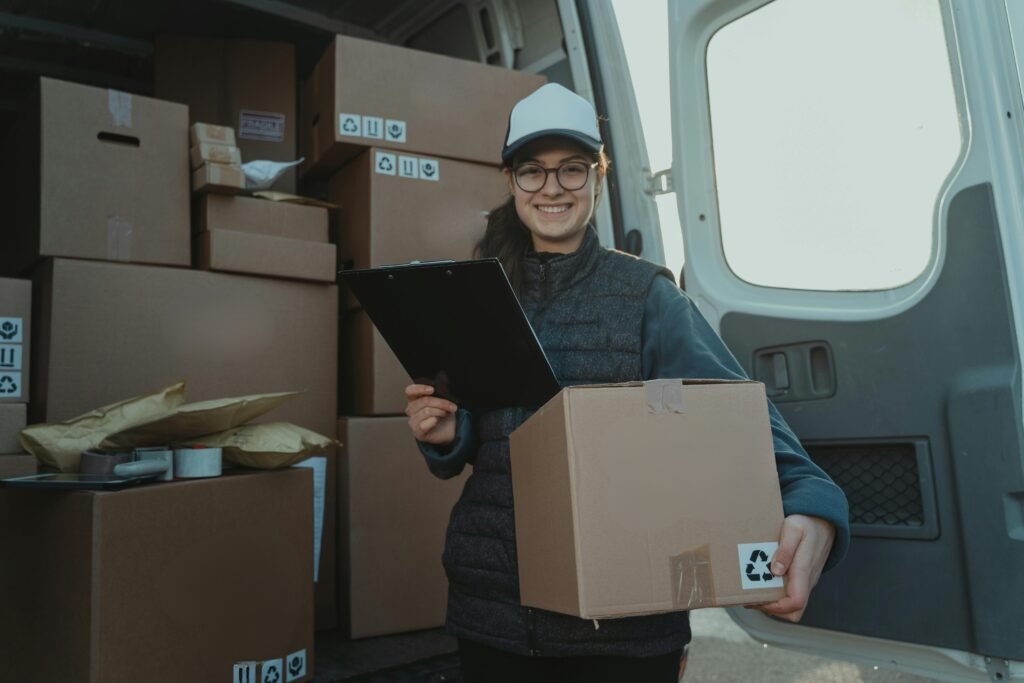
Abercrombie doesn’t fit neatly into the fast-fashion mold, and one big reason is how it handles manufacturing and inventory management. Unlike fast fashion brands, which place bulk orders of clothes before knowing whether a style will sell, Abercrombie operates on a hybrid model designed to be less wasteful and generate as little overstock as possible.
1. It launches small test batches instead of full-scale production.
Before going big time, Abercrombie tests small batches of new styles online or in select stores. This enables the brand to monitor customer response, reviews and sell-throughs without risking large quantities of unsold stock.
2. If a style performs well, it is only then that it is reproduced at scale.
When a product performs well, such as their Curve Love jeans or tailored pants, Abercrombie increases production and restocks as needed. That “demand-first, supply-second” philosophy contrasts with fast fashion brands that produce thousands of units of each trend in the hope that they will sell.
3. Fabrics are purchased early, but dyed and finalized later.
Abercrombie frequently preorders fabric materials, but doesn’t make a final design or color decision right away. Instead, fabrics are dyed and cut later, depending on what shoppers actually want. This presents flexibility and minimizes the hazards associated with generating massive quantities of unused textile waste.
4. Only 30–40% of its range follows seasonal trends; the majority are timeless essentials.
Fast fashion feeds on constant newness, but Abercrombie’s inventory largely revolves around such repeatable pieces as denim, neutral trousers, bodysuits, knitwear, outerwear and basics that remain available in stores year-round. This helps alleviate reliance on constantly flushing out dated stock and minimizes the trend of instant obsolescence.
5. As a result, deadstock and waste are significantly lower in this approach compared to fast fashion.
Abercrombie makes to order instead of to speculation, which generates a fraction of the unsold clothes, as brands like Zara or Shein. This saves money, of course, but it also means less going to landfills or being disposed of in other ways. Burning garment surplus and dumping the results is harmful.
Why People Don’t Throw Away Abercrombie Clothes?

Fast fashion is all about last-minute buys, cute for a week, and forgotten the next. Abercrombie works differently. Their clothing is designed to be a deeply personal experience. The stores have soothing lighting, familiar scents and Deep-thinking music, although the real difference is in the fit.
They introduced real body shapes to their Curve Love jeans, featuring a natural waistline and no gaping in the back, with ample room in the hips and thighs. Clothes that fit well and make people feel competent don’t get thrown out after a few wears. Abercrombie pieces aren’t temporary; they’re future wardrobe essentials.
Competitive Positioning: Between Zara and American Eagle
Abercrombie is often compared to American Eagle, Gap, Zara, and H&M but it actually occupies a different space.
| Brand | Price Level | Trend Speed | Durability | Category |
| Shein | Very low | Ultra-fast | Very low | Ultra-fast fashion |
| H&M | Low | Fast | Low-medium | Fast fashion |
| Zara | Low-mid | Fast | Medium | Fast fashion |
| American Eagle | Mid | Moderate | Medium | Casualwear |
| Abercrombie | Mid-high | Moderate | High | Premium lifestyle brand |
Sustainability and Ethics: The Real Picture
Abercrombie talks about sustainability, but what’s actually true?
Positive Steps:
- Reduced-water denim manufacturing
- Use of recycled polyester and some organic cotton
- Public supplier transparency reports
- Durable clothing that reduces throwaway culture
Limitations:
- Still relies on offshore mass manufacturing
- Around 20% of the fabric used is sustainably certified
- No garment take-back or recycling initiative
- Seasonal sales suggest that overstock is still being produced
Abercrombie is not a fully sustainable brand but it is more responsible than fast fashion giants.
Final Answer: Is Abercrombie Fast Fashion?
No, Abercrombie is not a fast fashion brand. It doesn’t push weekly deliveries, it doesn’t engage in ultra-low pricing and it doesn’t design disposable clothes. This hybrid model is what has kept it fresh in a lackluster world where consumers want more than the fashion equivalent of fast food.
FAQs
No, Abercrombie doesn’t follow ultra-fast production or low-cost disposable clothing like Zara or Shein.
Because it uses better materials, slower production cycles (6–12 weeks), and designs for long-term wear.
Yes, overseas manufacturing and seasonal drops but without mass overproduction.
Partially. It uses water-saving denim and some recycled materials but isn’t fully sustainable yet.
Primarily in countries such as Vietnam, China, and India, but utilizing demand-based rather than mass production.