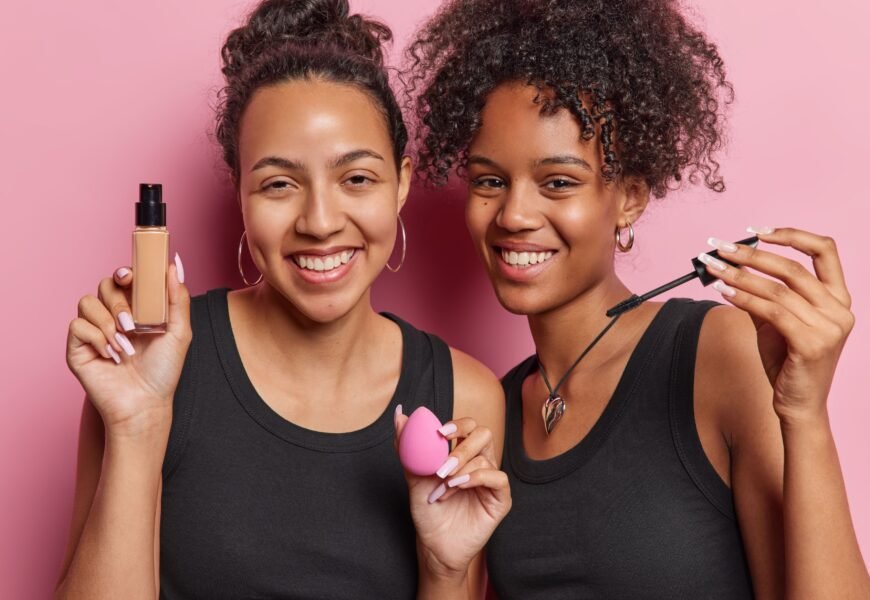
The beauty world is crushing over water-based concealers that are replacing goopy, heavier products with something truly lightweight, breathable, and hydrating. With aqua (water) listed as the first ingredient, the coverage sinks beautifully into the skin but still allows it to breathe, making these particularly great for those with dry, sensitive, or acne-prone skin that tends to break out from silicone- and oil-laden formulas. They leave a fresh, natural finish, rather than a cakey or suffocating one that lasts all day. Endorsed by experts and supported by results, water-based concealers are the happy medium that can cover without caking – here you’ll find out what makes them so special and which formulas are worthy of inclusion into your routine.
How Does a Water-Based Concealer Compare to Other Types?
| Aspect | Water-Based Concealer | Silicone-Based Concealer | Oil-Based Concealer | Wax-Based Concealer |
| Texture & Feel | Lightweight, breathable, hydrating | Silky, smoothing, lightweight slip | Rich, emollient, creamy | Thick, dense, heavy coverage |
| Wear Time | Natural finish, may fade faster | Long-lasting, stronger adherence | Moderate, can feel greasy over time | Very long-lasting but less flexible |
| Best For | All skin types, esp. sensitive/acne-prone | Oily/combination skin needing durability | Very dry skin or dry patches | Maximum coverage, stage or photo makeup |
| Drawbacks | Needs setting for longevity | Can clog pores or feel heavy over time | Too heavy for oily/acne-prone skin | Can look unnatural or cakey |
| Compatibility | Works best with other water-based products | Works best with silicone-based products | May separate if layered with water-based | Harder to blend with lightweight formulas |
| Pros | Hydrating, breathable, skin-friendly | Long-lasting, smooth finish | Deeply nourishing, great for dry skin | Maximum coverage, durable in heat/lights |
| Cons | Shorter wear, lighter coverage | Can feel heavy, less breathable | Greasy, not suitable for oily skin | Heavy texture, difficult to blend |
What Ingredients Make a Concealer Truly Water-Based?
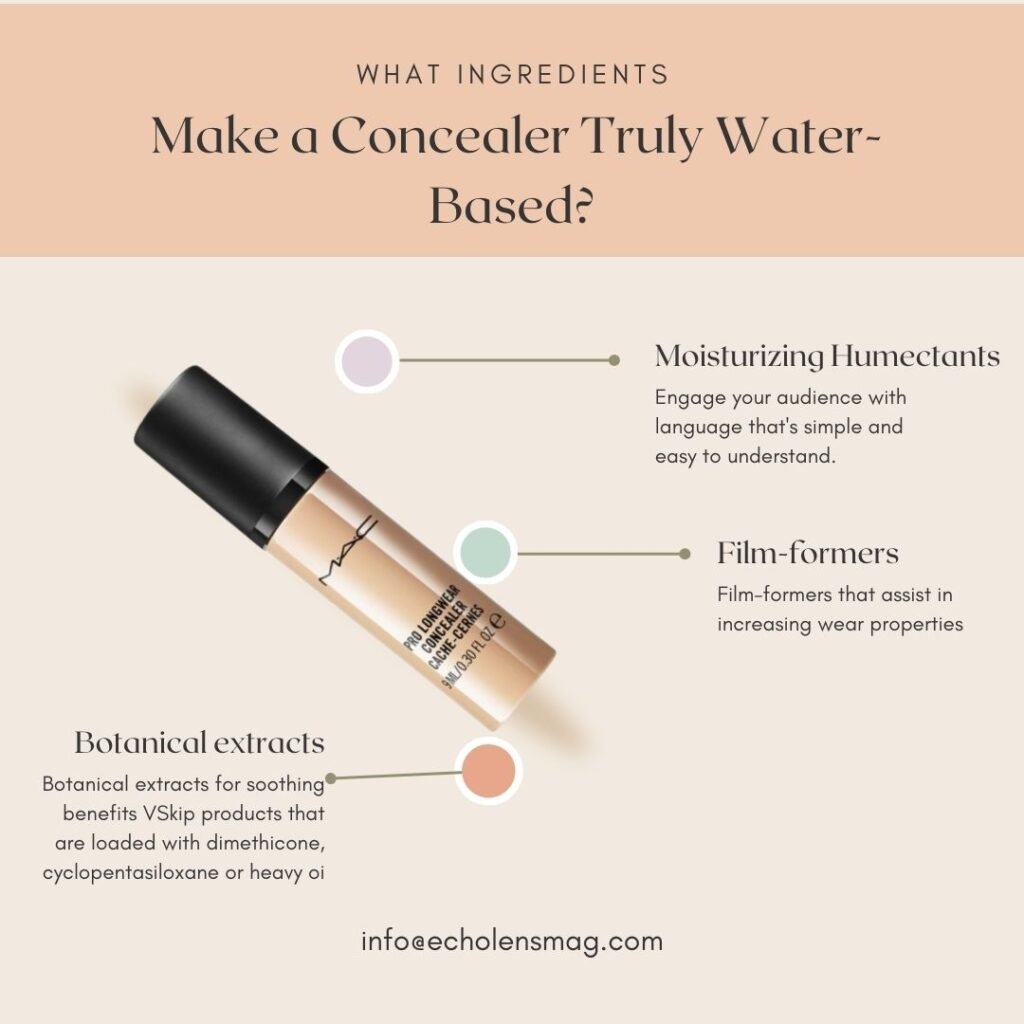
The first ingredient in a true water-based concealer should be “aqua/water.” Supporting ingredients often include:
- Moisturizing humectants, such as glycerin or hyaluronic acid, to pull in water
- Botanical extracts for soothing benefits
- Film-formers that assist in increasing wear properties
Skip products that are loaded with dimethicone, cyclopentasiloxane or heavy oils, as these have a slant towards silicone or oil dominance. If you have sensitive skin, look for products labeled as dermatologist-tested or non-comedogenic.
How Do You Choose the Right Water-Based Concealer?
By Skin Type
When shopping for the best water-based concealer for your specific skin type, it’s essential to consider your skin type. If you have dry skin, opt for products with ultra-hydrating formulas that contain ingredients such as hyaluronic acid to help combat a dehydrated complexion. Those who tend to get oily and/or have combination skin would do best with semi-matte finishes, as this allows us to control the shine and glow while still maintaining a healthy appearance. Those with sensitive or acne-prone skin, however, may prefer a fragrance-free, calming formula that still soothes the skin without causing further irritation and breakouts.
By Coverage & Finish
Concealers are also available in water-based formulas with a variety of coverages and finishes. To brighten the under-eye area without compromising texture, opt for a sheer or light coverage. On a daily basis, a medium to light, buildable coverage concealer is perfect for spot-concealing and evening out the rest of your face. Some full-coverage, water-based concealers are trickier to come by, but they do exist, offering people a longer-coverage style for those who want something with more coverage than second-skin forms provide, without the cakiness typically associated with other formulas.
By Shade Matching & Undertones
Selecting a shade and undertone in water-based concealer is similar to the other types we’ve discussed when it comes to the neck area, which should be a fairly close match to your foundation. Undertones can be warm, cool, or neutral,l and for most of us (barring the exception), your concealer should match them and harmoniously blend with the rest of your makeup. If you’re exploring the best Latina makeup, focus on brands that highlight medium to tan undertones, which are common across many Latin skin tones. Remember, for the best results, swatch the product on your jaw in natural light to match your skin tone properly.
How Do You Apply a Water-Based Concealer Step by Step?
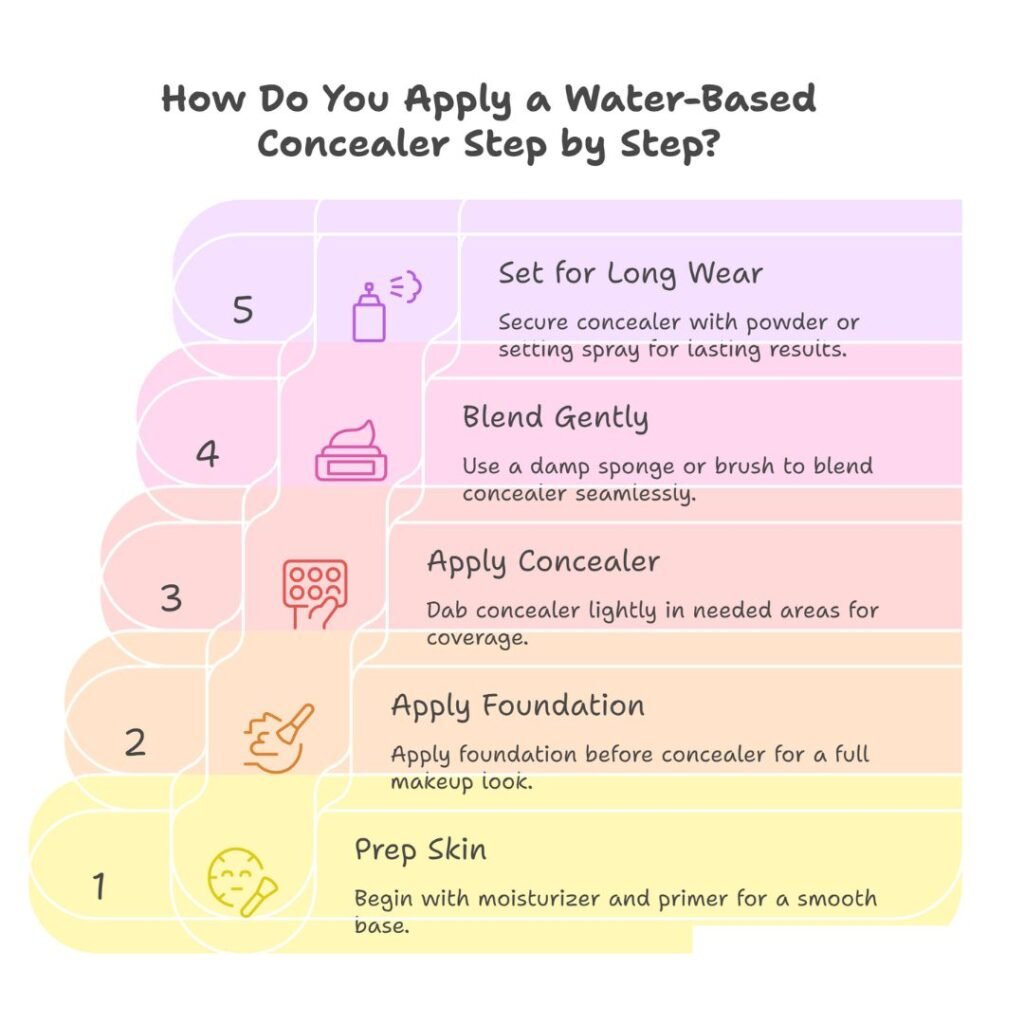
Prep Your Skin
Begin with a solid foundation by using a moisturizer and primer. For the best results, employ a creamy, water-based primer to give your concealer something to grip onto and blend into without separating.
Apply Foundation or Concealer First
If you’re wearing a full face of makeup, apply it before foundation and don’t move the product around. You can always forgo foundation and use just concealer in needed areas for a more natural vibe.
Apply Sparingly
You don’t need much water-based concealer. Dab lightly with a finger in areas where you need the most coverage to keep the finish natural and featherweight.
Blend Gently
Apply a damp sponge for a seamless, skin-like finish, or use a small brush for areas that require precision. Tap into skin rather than swiping to avoid streaks.
Set for Long Wear
Secure the concealer in place by setting it lightly with a translucent powder or spritzing it with a hydrating setting spray. This will help stop creasing and increase the longevity of your look.
How Can You Make a Water-Based Concealer Last Longer?
Primer Matters
Start with a water-based primer to create a smooth base for your concealer. This assists with longevity and avoiding the separation of the product.
Set It
A dusting of translucent powder sets concealer well and reduces creasing, particularly under the eyes.
Touch-Ups
For freshening your skin at all-day events, consider bringing a mini concealer or pressed powder to touch up fading or shine throughout the day.
Avoid Overlayering
It can slide off or cake if too many layers are applied. Thin, even coats are your friend for the most natural-looking finish.
What Are the Best Water-Based Concealers Available?
Some highly rated options include:
- Glossier Stretch Concealer: hydrating, dewy finish.
- NARS Radiant Creamy Concealer: lightweight yet buildable.
- Maybelline Fit Me Concealer: budget-friendly, natural coverage.
- ILIA True Skin Serum Concealer: clean, skincare-infused formula.
- Make Up For Ever Ultra HD Concealer: professional-grade, natural finish.
What Are the Most Common Myths About Water-Based Concealers?
Myth 1: Water-Based Concealers Can’t Be Used on Oily Skin
Not so good: There are several water-based concealers that work wonders for oily and combination skin types when set with powder. Not quite a matte look, but not really shiny, if you know what I mean!
Myth 2: Water-Based Concealers Crease Every Time The Lies
If you prep poorly or don’t set, it can cause creasing. Primed with a specific concealer primer and lightly dusted powder is the best way to keep water-based options smooth on your face.
Myth 3: You Can’t Combine Water-Based with Silicone
It should, but that’s not very good, because if the formulas start to break apart over time, you’re in trouble. For the best broken-in vibe and longevity, keep to one consistent base type: all water-based or all silicone-based.
Myth #4 Water-based concealers will melt off in a hot environment.
If it’s hot or you know it’s going to be humid, seal that water-based concealer in with a hydrating setting spray or powder. When applied correctly, it will also keep your makeup looking fresh and beautiful throughout the day or night, even in hot weather, with a little brush!
Myth 5: Water-Based Concealers Don’t Cover Dark Circles
Many water-based concealers are also buildable and provide sufficient coverage for darkness under the eyes. Choosing the correct undertone certainly helps as well.
How Do You Fix Common Water-Based Concealer Problems?
Fix Cakey or Patchy Application
If you find that your water-based concealer looks caked on, it is probably because you’re using too much of it at a time. Instead, apply light layers and diffuse fast with a sponge or brush for an even skin finish.
Prevent Creasing Under the Eyes
Often, creasing occurs in the fine. To prevent it, quickly set your concealer with a loose powder as soon as you’re finished blending, concentrating on the under-eye area.
Stop Concealer from Fading Midday
It is typically when your concealer begins to vanish that you realise it’s lurking beneath the excessive oil or sweat. Try blasting blotting sheets before reapplying the product, then subtly touch up with concealer or powder.
Fix Oxidizing Shades
If your under-eye concealer is getting darker after you apply it, it has likely oxidized. Neutralizing the space with a shade 1-2 lighter than your foundation will help offset this and keep your makeup true to color.
Why Should You Try a Water-Based Concealer?
Light, hydrating, and versatile, water-based concealers are ideal for those seeking natural-looking coverage. They are effective across multiple skin types when properly selected and applied. If you want a product to let your skin breathe instead of covering it up, this type of concealer belongs in your routine.
FAQs
Yes, but it may separate. The same base type works best.
Medium-coverage formulas with brightening undertones are the best for dark circles
Look at the ingredient list; water (aqua) should be listed first.
Yes, it extends the life of your paint job and keeps it from slipping.
All hydrating concealers are water-based, but not all water-based concealers are hydrating. Some may still contain silicones or oils.