
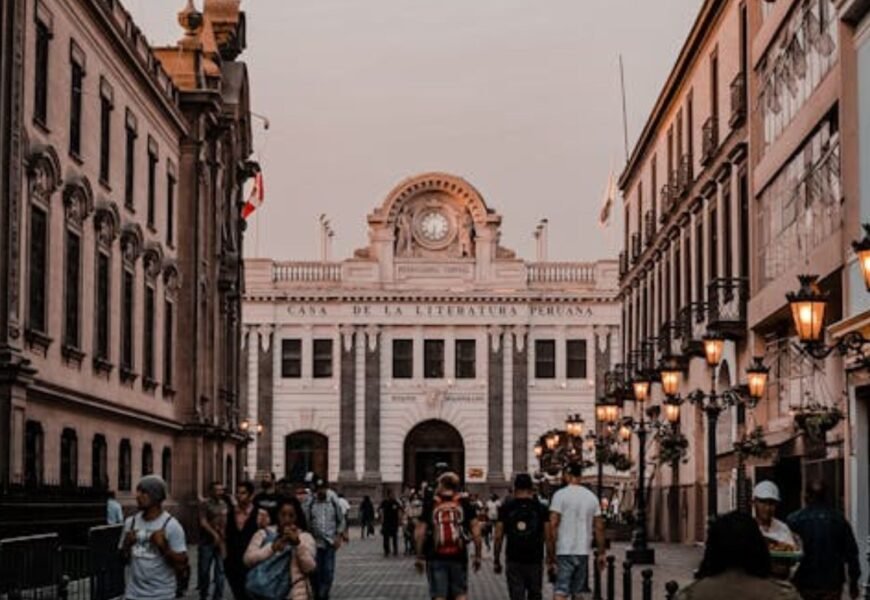
Planning a trip to Peru is exciting, but it can also be overwhelming if you’re not prepared. From altitude sickness to cultural expectations, there are several important factors that can make or break your Peruvian adventure. Whether you’re dreaming of exploring Machu Picchu, hiking through the Sacred Valley, or sampling ceviche in Lima, understanding these five essential insights will help you make the most of your journey to this incredible South American destination.
Altitude Sickness Is Real and You Need to Prepare
One of the biggest surprises for first-time visitors to Peru is just how much the altitude can affect your body. Cusco sits at 11,150 feet above sea level, and many popular destinations are even higher. You might feel perfectly fine when you arrive, only to experience headaches, nausea, and exhaustion a few hours later.
The key is to give yourself time to acclimatize. Spend at least two full days in Cusco before attempting any strenuous activities or heading to higher elevations. Drink plenty of water, avoid alcohol for the first couple of days, and don’t be embarrassed to ask your hotel for coca tea, a traditional remedy that locals swear by.
Many travelers make the mistake of booking their Machu Picchu visit for their first or second day. This is a recipe for disappointment, as you’ll be too exhausted to fully appreciate the experience. Plan your itinerary strategically, saving the most physically demanding activities for after you’ve adjusted.
The Weather Varies Dramatically by Region and Season
Peru isn’t just one climate zone, and packing appropriately requires understanding where you’ll be traveling. The coastal areas like Lima are mild and often foggy, the highlands can be freezing at night even during the day’s warmth, and the Amazon basin is hot and humid year-round.
The dry season from May to September is generally considered the best time to visit, especially for hiking and outdoor activities. However, this is also peak tourist season, meaning higher prices and more crowded attractions. The rainy season from November to March can make some trails impassable, but you’ll find fewer tourists and lush, green landscapes.
Always pack layers, regardless of when you visit. Temperatures can swing dramatically from morning to afternoon, and you’ll want options. A good rain jacket, warm fleece, and sun protection are essential items that many travelers wish they’d brought more of.
Cash Is King in Many Places
While Lima and other major cities have embraced card payments, much of Peru still operates on a cash basis. Small restaurants, local markets, transportation, and even some hotels in rural areas only accept soles, the local currency. ATMs are available in cities, but they can be scarce in smaller towns and tourist sites.
Exchange some money before heading to remote areas, and always carry small bills. Many vendors cannot make change for large notes, and you’ll find yourself stuck if you only have 100-sole bills. US dollars are widely accepted in tourist areas, but you’ll get better value by paying in soles.
Be aware that some ATMs have daily withdrawal limits that might be lower than you expect. Plan accordingly and withdraw cash when you have the opportunity, especially before heading to places like the Sacred Valley or smaller Andean communities.
The Best Peru Tours Book Up Months in Advance
If you’re hoping to hike the classic Inca Trail to Machu Picchu, you need to know that permits sell out four to six months ahead of time, especially during peak season. The Peruvian government limits the number of daily hikers to protect the trail, and once permits are gone, they’re gone.
Even if you’re not planning the Inca Trail, popular tours and experiences fill up quickly. Cooking classes, guided city tours, and alternative treks like Salkantay or Rainbow Mountain are increasingly popular. Booking early not only secures your spot but often gets you better prices and more flexible options.
Don’t assume you can just show up and join the best Peru tours on a whim. Research your options, read reviews, and make reservations well before your departure date. This planning pays off with better guides, smaller group sizes, and the peace of mind that your dream experiences are confirmed.
Peruvian Cuisine Deserves More Time Than You Think
Many visitors underestimate just how incredible the food scene is in Peru. This isn’t just about trying ceviche once and moving on. Peruvian cuisine is diverse, sophisticated, and worth building into your itinerary as an experience in itself.
Lima has become a global culinary destination, with several restaurants ranked among the world’s best. But beyond fine dining, street food, local markets, and regional specialties offer endless opportunities for discovery. Each region has its own dishes, from the coast to the mountains to the jungle.
Consider taking a cooking class, visiting a local market with a guide, or planning meals at specific restaurants rather than just eating wherever is convenient. The food is an essential part of understanding Peruvian culture, and rushing through meals means missing out on one of the country’s greatest treasures.
Final Thoughts
Peru offers experiences that will stay with you for a lifetime, but being prepared makes all the difference between a good trip and an extraordinary one. Take altitude seriously, pack for variable weather, carry cash, book popular experiences early, and give yourself time to savor the incredible food. With these insights in mind, you’ll be ready to fully embrace everything this remarkable country has to offer.