
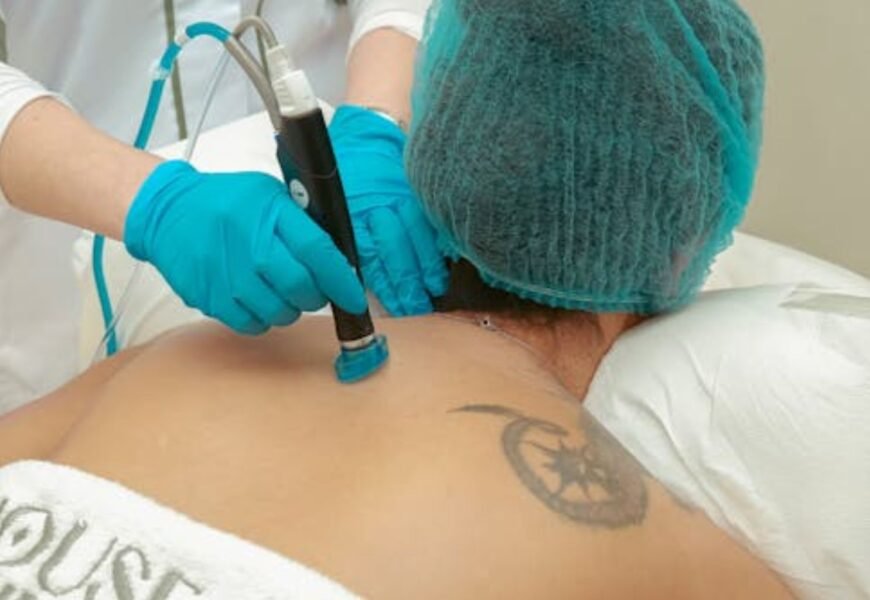
Getting a tattoo removed can feel overwhelming, especially when there’s so much conflicting information out there. Between old wives’ tales and outdated advice, it’s hard to know what’s actually true about the removal process. Let’s clear up some of the most persistent misconceptions that professionals wish would disappear for good.
Myth 1: All Tattoos Can Be Removed in Just a Few Sessions
One of the biggest misconceptions people have is that laser tattoo removal works like an eraser, quickly wiping away unwanted ink. The reality is much more nuanced. Most tattoos require anywhere from six to twelve sessions, though some may need even more depending on various factors.
The number of sessions depends on the tattoo’s size, color, age, and depth. Professional tattoos with dense ink saturation typically take longer to remove than amateur tattoos. Your skin type, immune system health, and how well you care for the treated area between sessions also play significant roles in the timeline.
Myth 2: Laser Removal Will Completely Erase Your Tattoo Without a Trace
While modern laser technology is incredibly effective, expecting zero trace of your tattoo might be unrealistic. Most people see significant fading, with many achieving complete removal, but results vary from person to person.
Some tattoos may leave a slight shadow or ghost image, especially if they were very dark or contained certain pigments, and in some cases, scar tissue or skin healing patterns can also affect how the area looks afterward.
Your skin’s natural healing ability and the original tattoo’s characteristics determine the final outcome. Setting realistic expectations with qualified tattoo removal experts in Waterloo or your local area will help you feel satisfied with your results.
Myth 3: Tattoo Removal Creams Work Just as Well as Laser Treatment
Walk into any drugstore and you’ll find creams promising to fade or remove tattoos at home. Save your money. These products simply don’t work as advertised and can sometimes cause skin damage or allergic reactions.
Tattoo ink sits deep within the dermis layer of your skin, far below where topical creams can reach. Laser technology works by breaking up ink particles so your immune system can flush them away, something no cream can replicate. If you’re serious about removal, professional laser treatment remains the gold standard.
Myth 4: Darker Skin Tones Can’t Safely Undergo Laser Removal
This outdated myth has prevented many people from seeking treatment they could safely receive. While it’s true that older laser technology posed risks for darker skin tones, modern Q-switched and picosecond lasers can safely treat all skin types when operated by trained professionals.
The key is finding an experienced practitioner who understands how to adjust laser settings for different skin tones. They’ll use appropriate wavelengths and energy levels to target the ink without damaging surrounding melanin. Always choose a provider who has specific experience treating your skin type.
Myth 5: All Ink Colors Are Equally Easy to Remove
If only this were true. Black and dark blue inks respond best to laser treatment because they absorb all laser wavelengths. Lighter colors like yellow, white, and fluorescent shades are notoriously stubborn and may require specialized lasers.
Green and purple inks fall somewhere in the middle, responding to specific wavelengths. Red ink can be tricky but usually responds well to certain laser types. Your removal specialist should assess your tattoo’s colors during consultation and set appropriate expectations for each pigment.
Myth 6: The Removal Process Is Unbearably Painful
Pain is subjective, but most people describe laser tattoo removal as similar to getting the tattoo in the first place, just faster. Each laser pulse feels like a rubber band snap against your skin, and sessions typically last just minutes.
Many clinics offer numbing options including topical creams, cooling devices, or local anesthesia for sensitive areas. The discomfort is brief and manageable for most people. If you could handle getting the tattoo, you can likely handle removing it.
Myth 7: You Need to Wait Years After Getting a Tattoo Before Removing It
Changed your mind quickly? You don’t have to live with regret for years. While waiting six to eight weeks after getting a tattoo is recommended to allow your skin to fully heal, you don’t need to wait years before starting removal.
Interestingly, newer tattoos sometimes respond well to treatment because the ink hasn’t had time to settle deeply or spread. However, older tattoos may have naturally faded somewhat, which can also help the removal process. There’s no perfect timeline, just whenever you’re ready.
Moving Forward With Confidence
Understanding the truth about tattoo removal helps you make informed decisions about your skin. Modern laser technology has made the process safer, more effective, and more accessible than ever before. By separating fact from fiction, you can approach removal with realistic expectations and confidence in the outcome. Whether you’re removing a small symbol or a large piece, working with qualified professionals ensures the best possible results for your unique situation.