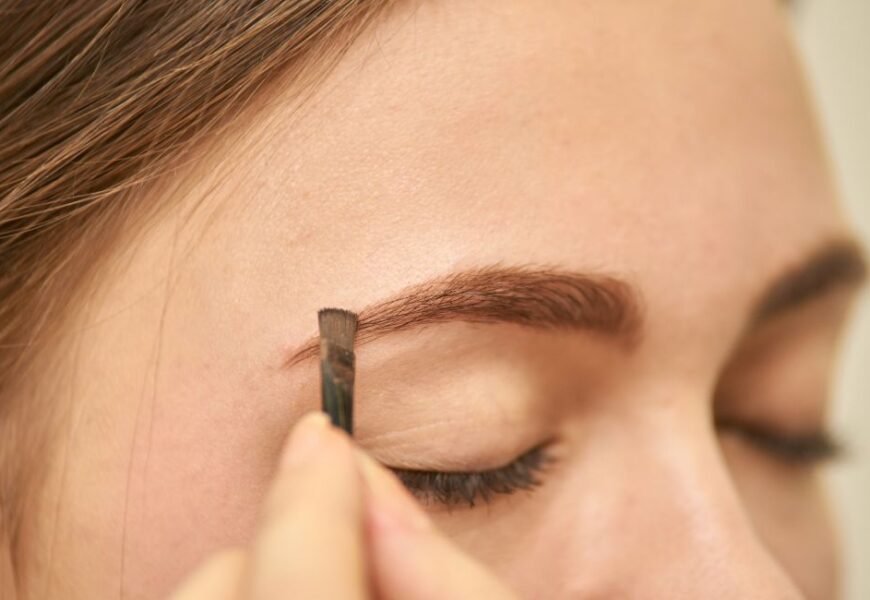
If you’re wondering does eyebrow hair grow back after piercing, the most common answer is yes in most people, any temporary thinning around an eyebrow piercing improves once swelling and irritation settle. Long-term bald spots are uncommon, but they can happen if the area develops significant scar tissue, the piercing migratesrejects, or the follicle is repeatedly traumatized. Whether your eyebrow hair will grow back depends on a few practical factors: placement and depth, how much the area is irritated or snagged during healing, jewelry fitmaterial, and whether you’re prone to raised scarring like keloid.
How Eyebrow Hair Growth Works
Eyebrow hair grows in the same basic cycle as other body hair—just on a shorter timetable than scalp hair.
- Growth phase (anagen): the hair actively grows.
- Transition phase (catagen): growth slows and the follicle “shifts gears.”
- Restingshedding phase (telogenexogen): the hair rests, then sheds, and a new hair can start.
Scalp hair stays in its growth phase for a long time, which is why it can get so long. Brow hair has a much shorter growth phase, so it naturally stays shorter and can look “patchy” for longer while it cycles back in. That’s why regrowth after irritation can feel slow—even when everything is actually normal.
Can an Eyebrow Piercing Stop Hair From Growing?
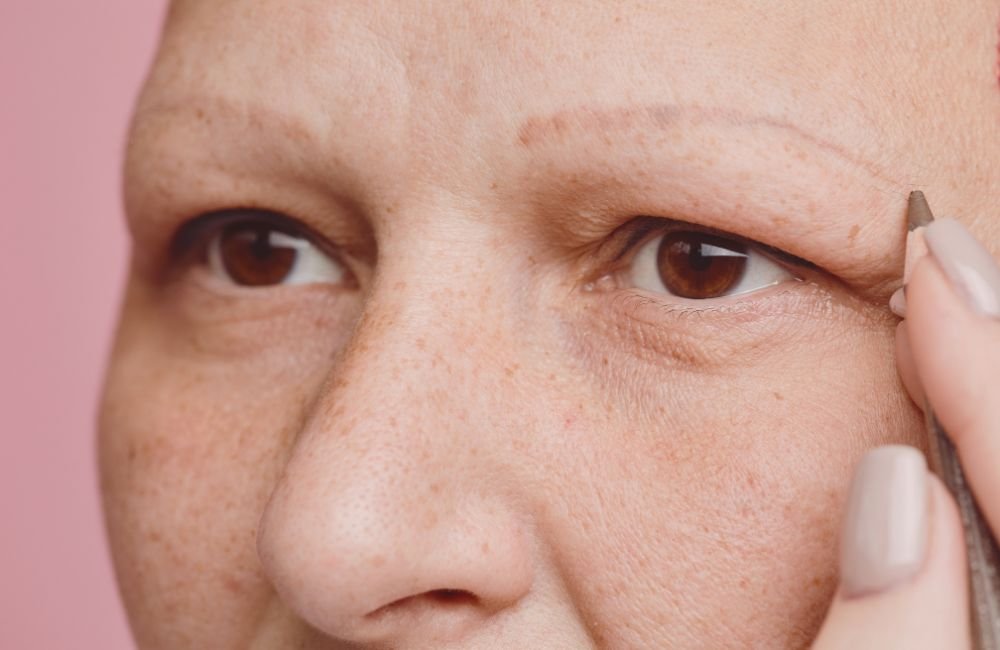
In most cases, an eyebrow piercing does not permanently stop hair growth. Hair follicles sit in the skin, and a typical eyebrow piercing channel is small. Permanent loss is uncommon but possible if the follicle or surrounding tissue is damaged.
Here’s what can interfere with regrowth:
- Follicle damage (uncommon): If the piercing is placed too deep, too close to certain follicles, or there’s significant trauma, a small number of follicles may be affected.
- Scar tissue: Any wound can form a scar. If scar tissue becomes dense in the area, it can change how hair emerges and sometimes create a small gap.
- Repeated irritation or trauma: Constant snagging, pressure, or inflammation can keep follicles “stressed,” making hairs shed more often or grow in finer.
The good news: most “bald spots” people notice are temporary and related to swelling, irritation, or hair being pushed aside not destroyed.
Common Reasons People Notice Thinning or Bald Spots After Piercing
If you’re dealing with eyebrow piercing hair loss, these are the most common culprits:
- Swelling and pressure: Early swelling can compress the area and make hair look sparse.
- Irritation from movement: Sleeping on it, hatshelmets, or touching can keep the area inflamed.
- Snagging and micro-tears: Hairbrushes, towels, clothing, and masks can tug the jewelry and traumatize the skin.
- Overcleaning harsh products: Too much cleaning or strong products can dry and irritate the skin. (Professional aftercare guidance typically favors gentle sterile saline and “leave it alone.
- Allergic or sensitivity reactions: Metal sensitivities (especially nickel) can cause itch, rash, and ongoing irritation that makes the area unhappy.
- Infectioninflammation: Persistent inflammation can contribute to shedding and delayed healing (and needs professional evaluation if you suspect it).
- Rejectionmigration: As the body pushes jewelry toward the surface, the tissue thins and the area can look “stretched,” sometimes affecting Thinning Hair density.
- Poor jewelry materialfit: Jewelry that’s too tight, too long, or made of lower-quality metal can increase irritation and pressure.
When Hair Usually Grows Back
This is the part everyone wants a straight answer to but it varies.
In general:
- Days to a few weeks: If the “bald spot” is mostly swellingpressure, it may look better as swelling goes down.
- 4–12 weeks: If hairs shed due to irritation or inflammation, regrowth often starts to look noticeable within a couple of months as the cycle restarts.
- 3–6+ months: If there was prolonged irritation, migration, or more noticeable scarring, the area may take longer to look filled-in (and some spots may stay thinner).
The key divider is this:
- If follicles are intact, hair usually returns with time.
- If significant scar tissue forms or follicles are damaged, regrowth may be partial or you may be left with a small persistent gap.
Signs the Follicle Might Be Damaged or Scarred
Try not to panic many normal healing changes look dramatic on the face. These signs simply help you decide when to get an expert opinion.
Often normal during healing
- Mild redness that slowly improves
- Temporary thinning right around the entryexit points
- Dry, flaky skin from healing or overcleaning
- A small, soft “bump” that comes and goes with irritation
Possible signs of scarring or ongoing tissue stress
- A firm, persistent ridge or thickened line where the piercing sits (eyebrow piercing scarring)
- A patch that stays noticeably hairless for months after irritation has resolved
- The piercing looks like it’s moving (shallower, more visible bar, widening holes)—possible eyebrow piercing rejectionmigration
- A raised scar that keeps growing beyond the original injury area (especially if you’re keloid-prone)
If you’re prone to keloids or you develop a raised scar, it’s worth consulting a dermatologist—keloids can grow over time and are best assessed early.
What You Can Do to Improve the Chances of Regrowth
If your goal is “aftercare to prevent hair loss,” think in one phrase: reduce irritation.
Practical, safety-forward steps:
- Keep cleansing gentle and consistent. Use sterile saline wound wash as recommended by professional piercing aftercare guidance. Avoid mixing strong homemade solutions that can over-dry the skin.
- Don’t twist or rotate the jewelry. Movement can irritate the channel and prolong inflammation.
- Avoid makeup and harsh skincare near the piercing early on. Fragrance, acids, scrubs, and heavy products can irritate or clog the area.
- Protect it from snagging. Be mindful with towels, hoodies, masks, brushes, and sleeping positions. Consider adjusting your routine so nothing catches.
- Pause pluckingwaxingthreading close to the site at first. When the tissue is healing, extra trauma can increase inflammation and slow everything down (including “will eyebrow hair grow back” concerns).
- Check jewelry fit and material with a reputable piercer. Too-tight jewelry increases pressure; poor-quality metal can trigger sensitivity. If you suspect metal irritation (itchrash), discuss switching to implant-grade options with your piercer. (Nickel sensitivity is a common issue with jewelry.
- Avoid makeup and harsh skincare near the piercing early on. Fragrance, acids, scrubs, and heavy products can irritate or clog the area. Once healing has progressed and redness needs to be covered, choose water-based concealers, as they are lightweight and less likely to irritate the delicate eye area.
- If you suspect migrationrejection, get assessed early. Rejection can worsen thinning because tissue becomes stressed and thinner.
Avoid “DIY fixes” and harsh antiseptics unless a qualified professional tells you to use them—over-treating is a common reason irritation drags on.
If You Remove the Piercing, Will Hair Grow Back?
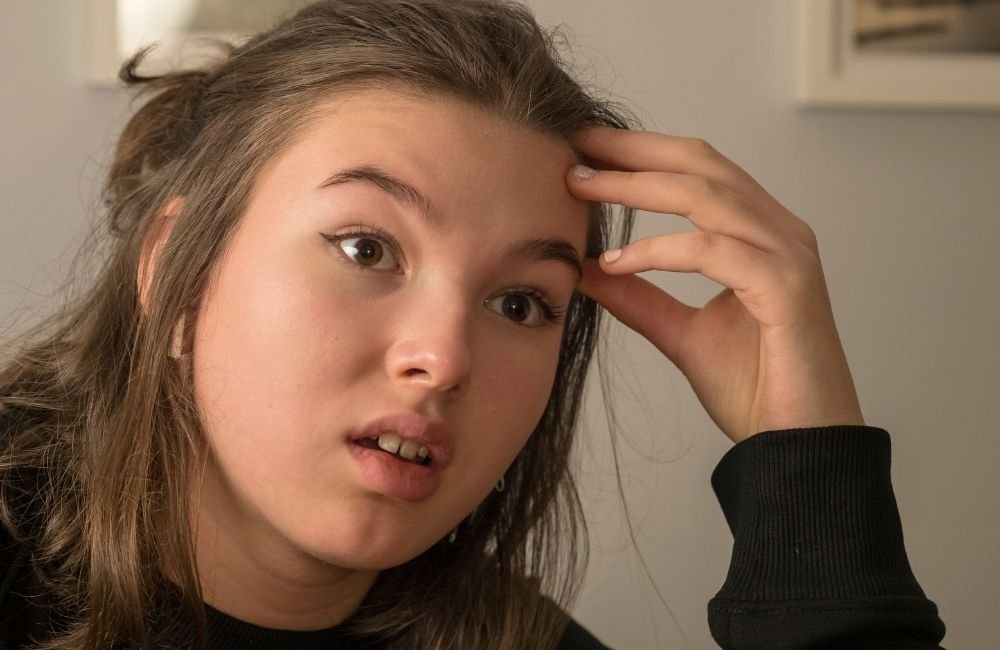
Often, yes, especially if the thinning was caused by irritation, pressure, or temporary inflammation. Once the jewelry is out and the area calms down, follicles that are still healthy can resume normal cycling.
However, realistic expectations matter:
- A small mark or line is common. Any piercing can leave a subtle scar.
- If there’s dense scar tissue or the piercing migrated, you may have a small persistent gap where hair looks thinner.
- If you’re keloid-prone (or you notice a raised scar), consult a dermatologist for evaluation rather than guessing.
If you’re unsure whether removal is the right move, consider seeing a reputable piercer first sometimes a jewelry adjustment (fitmaterial) reduces irritation and improves the situation without retiring the piercing.
Prevention Tips Before Getting Pierced
If you’re still in the “thinking about it” phase, prevention is where you have the most control.
- Choose an experienced, reputable piercer (portfolio + hygiene standards + clear aftercare).
- Get an anatomyplacement check. Proper placement reduces pressure, migration risk, and accidental follicle trauma.
- Ask about depth and angle. Superficial placements are more prone to migrationrejection (and can impact appearance).
- Use implant-grade materials from day one. This reduces the chance of metal-related irritation (nickel sensitivity is a known problem).
- Confirm correct jewelry size. Too tight = pressure and irritation; too long = snagging and movement.
- Leave with a simple aftercare plan (sterile saline, minimal touching, no twisting).