
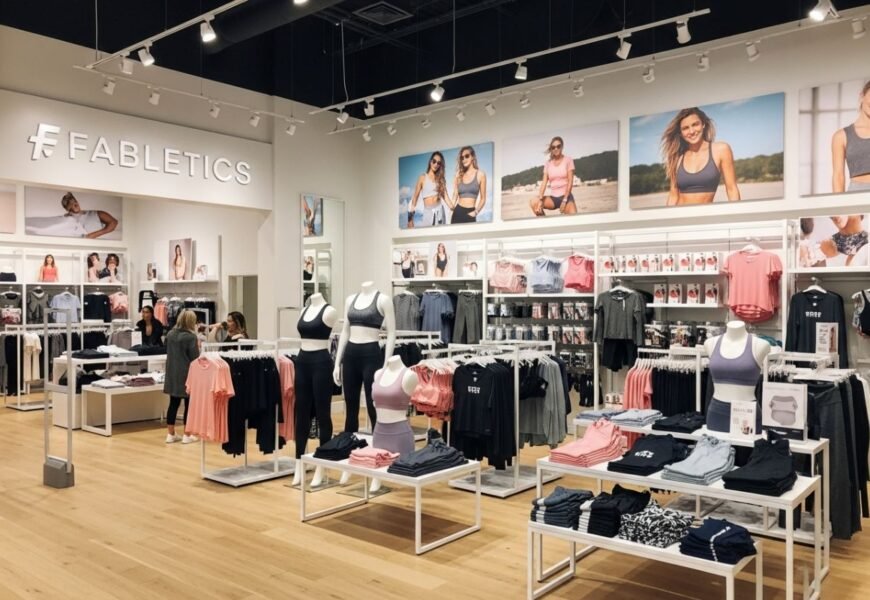
Fabletics launched in 2013 and quickly became a household name. Celebrities, influencers, and everyday shoppers embrace its stylish athleticwear at affordable prices. With such rapid growth, many consumers ask: Is Fabletics fast fashion? This article goes beyond simple definitions. It examines Fabletics through production cycles, material choices, marketing strategies, environmental impact, and industry comparisons. You will understand not just if Fabletics falls under fast fashion, but how it operates, what it prioritizes, and what that means for shoppers and the planet.
What Does Fast Fashion Mean Today?
Fast fashion traditionally refers to brands that:
- Rapidly produce new styles based on trends
Release frequent collections (weekly or monthly) - Prioritize speed and volume over durability
- Offer low prices that encourage frequent purchasing
However, modern fast fashion is no longer limited to cheap clothing alone. Many mid-priced, digital-first brands now operate with similar speed and volume, which has blurred the definition.
Key takeaway: Fast fashion is defined more by production speed, scale, and consumption patterns than by price alone.
Why Are People Asking If Fabletics Is Fast Fashion?

Consumers are asking this question for several reasons:
- Fabletics releases new collections frequently
- The brand operates on a subscription (VIP membership) model
- Athleisure demand has increased, raising scrutiny of activewear brands
- Sustainability claims across the fashion industry are often vague
People want to know whether convenience and affordability come at an ethical or environmental cost.
How Does Fabletics’ Business Model Work?
Fabletics is a direct-to-consumer (DTC) activewear brand built around a monthly membership.
Key elements of the model:
- Monthly product drops
- VIP credits that encourage regular purchasing
- Online-first sales (no traditional retail middlemen)
- Data-driven production based on demand forecasts
This model can reduce some waste compared to traditional retail, but it can also encourage overconsumption if customers feel pressured to buy monthly.
Does Frequent Product Release Automatically Mean Fast Fashion?
Not necessarily.
Fast fashion is usually identified by a combination of factors:
- Extremely short design-to-shelf timelines
- Very low price points
- Disposable-quality garments
- Little transparency about labor and sourcing
Fabletics does release collections often, but its pricing, quality, and use of performance fabrics place it outside the ultra-fast fashion category.
How Does Fabletics Compare to Traditional Fast Fashion Brands?
When compared to classic fast fashion retailers:
- Fabletics’ prices are higher
- Garments are designed for repeated athletic use
- Materials are generally more durable
- Branding focuses on performance, not trends
That said, Fabletics still produces at scale and follows seasonal and trend-based drops, which overlaps with fast fashion practices.
Activewear Brand Comparison
| Brand | Business Model | Price Range | Product Focus | Collection Frequency | Sustainability Commitment |
| Fabletics | Subscription-oriented DTC | Mid-range | Fashion + function | Frequent drops | Some recycled materials, limited transparency |
| Lululemon | Retail & DTC | Premium | High-performance yoga & athleisure | Seasonal | Increasing, but premium focus |
| Athleta | Retail & DTC | Mid to premium | Performance + lifestyle | Seasonal | Strong sustainability emphasis |
| Gymshark | Digital-first DTC | Mid-range | Gym & social media-driven designs | Frequent | Some eco efforts; less centralized reporting |
| Nike | Global retail + DTC | Premium | Performance & sport tech | Frequent | Big sustainability commitments globally |
How Does Fabletics Compare to Other Athleisure Brands?
Within the athleisure space:
- Premium brands tend to release fewer collections
- Sustainable-focused brands emphasize slower production
- Fabletics sits in the mid-market, prioritizing accessibility
Compared to higher-end competitors, Fabletics produces more frequently and at larger volumes, but at a lower price point.
What Do Sustainability Experts Say About Fabletics?
Sustainability assessments generally describe Fabletics as:
- Partially transparent about materials
- Making use of some recycled fabrics
- Less transparent about full supply-chain details
- Still improving compared to legacy fast fashion brands
The absence of extensive third-party certifications makes it difficult to label the brand as fully sustainable.
What Sustainability Initiatives Does Fabletics Have?
Fabletics highlights several initiatives, including:
- Use of recycled polyester in some products
- Efforts to improve fabric efficiency
- Reduced reliance on physical retail
These steps indicate progress, but they do not place the brand firmly in the slow-fashion or fully sustainable category.
Can a Subscription Clothing Brand Be Sustainable?
Subscription models have both benefits and risks.
Potential benefits:
- Better demand forecasting
- Reduced unsold inventory
- Direct customer feedback loops
Potential drawbacks:
- Encourages frequent purchasing
- Normalizes monthly consumption
- Can lead to excess wardrobe buildup
Sustainability ultimately depends on how consumers use the subscription, not just the model itself.
Is Fabletics Fast Fashion or Not?

Fabletics is best described as “mid-speed fashion” or hybrid fashion.
It is:
- Faster than slow-fashion brands
- Slower and higher quality than ultra-fast fashion
- More affordable than premium athleisure
- Less transparent than fully sustainable labels
How Should Consumers Decide If Fabletics Aligns With Their Values?
Before buying, consider asking:
- How often will I realistically wear this item?
- Am I purchasing out of need or habit?
- Do I value affordability, durability, or ethics most?
- Can I reduce overall clothing consumption?
In many cases, buying fewer items overall has a greater environmental impact than choosing one brand over another.If you want to learn more about Abercrombie and Aritzia fashion, we’ve already discussed this in detail in a separate article.
Final Takeaway
The question “Is Fabletics fast fashion?” reflects a broader shift in how consumers evaluate brands. Rather than relying on labels, it’s more accurate to look at production speed, transparency, quality, and consumption habits together. Fabletics represents a middle ground—not the worst offender, but not a sustainability leader either. Understanding that nuance empowers consumers to make smarter, more intentional choices.